# The Challenges of Creating Truly Autonomous AI Intelligent Robots
In recent years, the development of **smart AI companion robots** has captured the imagination of technologists, educators, and consumers worldwide. These **intelligent AI robots** promise to revolutionize fields ranging from education and entertainment to communication and personal assistance. However, despite significant advancements, creating truly autonomous AI intelligent robots remains a formidable challenge. This article explores the multifaceted obstacles involved in bringing these sophisticated machines to life, highlighting the interplay between **advanced AI interaction technology**, **smart learning**, and the delicate balance of **technology and art design**.
## The Vision of Autonomous AI Intelligent Robots
At its core, an autonomous AI intelligent robot is designed to operate independently, making decisions, learning from its environment, and engaging in meaningful interactions without constant human oversight. Unlike traditional robots programmed for specific tasks, these AI robots aim to be **creative smart toys**, **smart learning assistants**, and companions that grow alongside their users—particularly children—by supporting **children’s learning support** and providing dynamic **educational functions**.
The potential benefits are enormous. Imagine a robot that can assist a child with homework by synchronizing with textbooks (**textbook synchronization**), integrating **learning content integration** seamlessly, and adapting its teaching style through **smart learning** algorithms. Or consider a companion robot capable of engaging in **natural communication** that feels less like interacting with a machine and more like conversing with a trusted friend.
Despite this compelling vision, several critical challenges must be overcome before such robots become commonplace.
## Challenge 1: Achieving Truly Natural Communication
One of the most essential features of a smart AI companion robot is its ability to communicate naturally. **Communication** is not merely about processing language; it involves understanding context, emotions, cultural nuances, and non-verbal cues.
While current AI systems have made strides in natural language processing (NLP) and speech recognition, they often fall short in delivering conversations that feel genuinely human. For example, many AI robots struggle with:
- **Contextual understanding:** Grasping the full context of a conversation, including subtle references or implicit meanings.
- **Emotional intelligence:** Detecting and responding appropriately to emotions expressed by users.
- **Adaptive interaction:** Modifying communication style based on user preferences, age, or mood.
To address these issues, developers rely on **advanced AI interaction technology** that combines NLP with computer vision, sentiment analysis, and machine learning. However, integrating these technologies into a compact, affordable robot remains a significant engineering challenge.
## Challenge 2: Integrating Smart Learning Capabilities
For AI robots designed as **smart learning assistants**, the ability to support personalized education is paramount. This requires robust **smart learning** frameworks that enable the robot to assess a learner’s progress, identify knowledge gaps, and adapt educational content accordingly.
Key components of this challenge include:
- **Textbook Synchronization:** The robot must align its teaching modules with standard curricula and textbooks, ensuring that the material it presents is relevant and accurate.
- **Learning Content Integration:** Beyond textbooks, the robot should incorporate multimedia resources, interactive exercises, and real-time feedback mechanisms.
- **Customization:** Each learner is unique, and the AI must tailor its approach to different learning styles, paces, and interests.
Developing such capabilities entails sophisticated data analytics, vast educational databases, and continuous updates to keep pace with evolving curricula. Furthermore, privacy concerns arise when robots collect and analyze detailed data about children's learning behaviors, necessitating stringent security measures.
## Challenge 3: Balancing Technology and Art Design
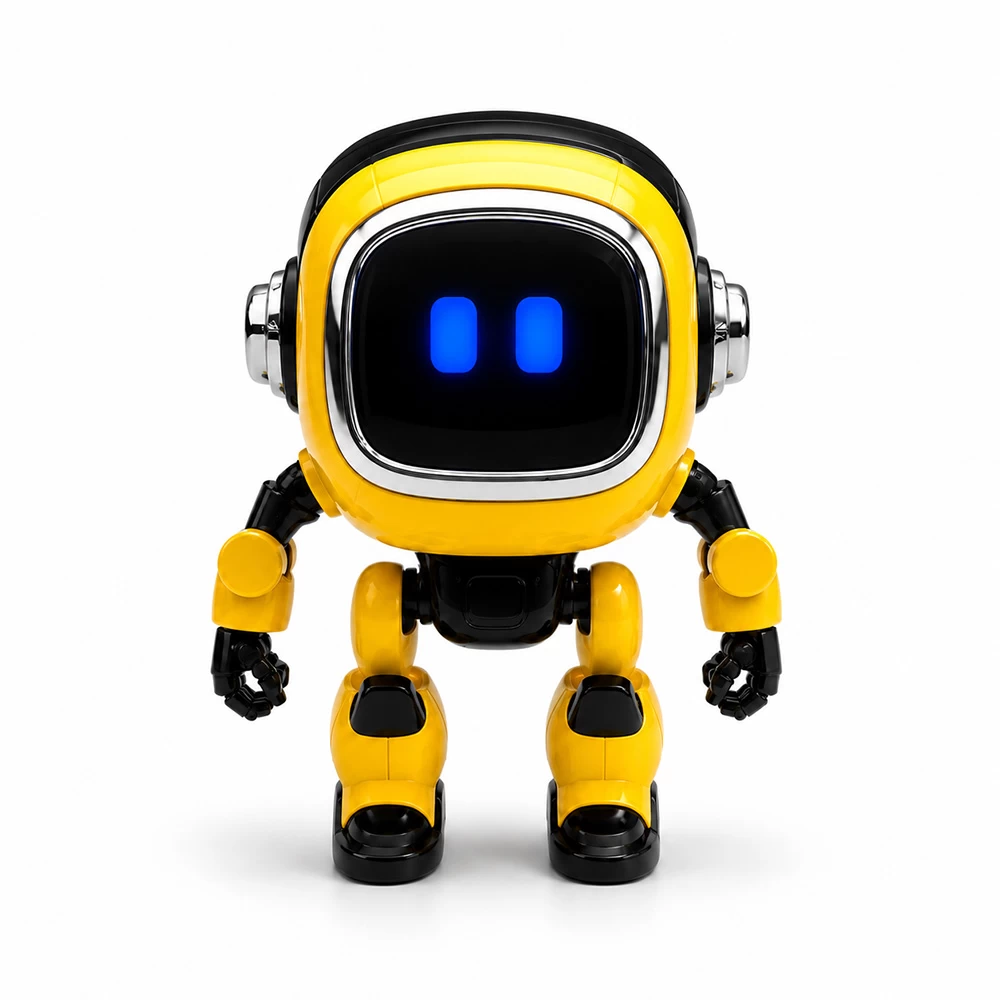
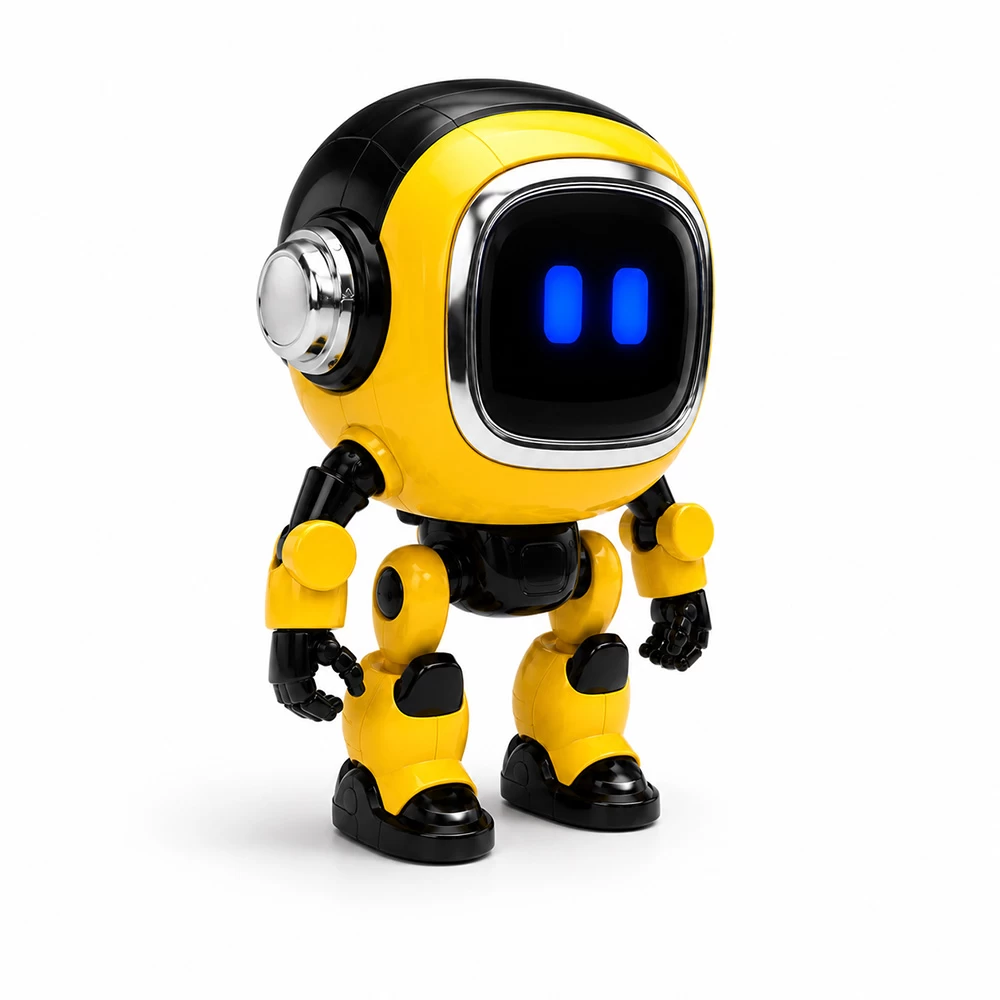
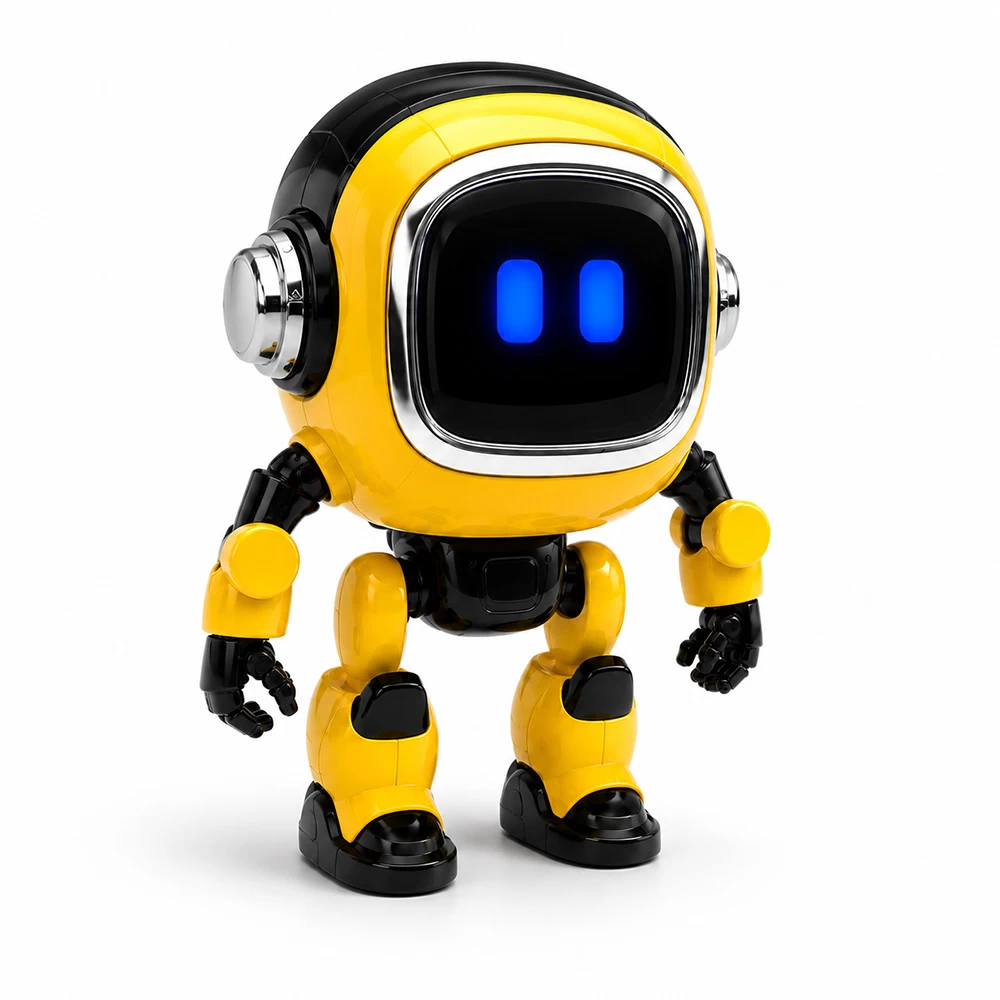
While the AI brain behind the robot is crucial, the physical design—its form, materials, and aesthetics—significantly influences user engagement. This is especially true for companion robots intended for children, where the line between technology and **creative smart toy** blurs.
Designers face the challenge of crafting robots that are:
- **Approachable and friendly:** To encourage trust and repeated use.
- **Durable and safe:** Suitable for daily handling by children.
- **Expressive:** Capable of conveying emotions through facial expressions, gestures, or sounds.
Achieving this balance requires collaboration between engineers, artists, psychologists, and educators. It’s not just about functionality but also about creating a delightful experience that fosters attachment and promotes learning.
## Challenge 4: Ensuring Robust Autonomy and Safety
True autonomy means that robots operate reliably in diverse, unpredictable environments. This demands:
- **Robust perception:** The ability to interpret sensory data accurately, including recognizing objects, people, and environmental changes.
- **Decision-making capabilities:** Prioritizing tasks, managing conflicts, and recovering from errors without human intervention.
- **Safety protocols:** Preventing harm to users, especially vulnerable populations like children.
Autonomy also raises ethical questions. For instance, how much independence should a robot have in making decisions that affect a child’s learning or emotional well-being? Developers must embed ethical guidelines and fail-safe mechanisms that prevent misuse or unintended consequences.
## Challenge 5: Multifunctionality Across Education, Entertainment, and Communication
To be truly valuable, AI robots must excel across multiple domains. They should act as **educational functions** providers during study time, serve as entertainers during leisure, and maintain engaging, natural conversations at all times.
This multifunctionality demands seamless transitions between modes, requiring complex software architectures and powerful hardware. Additionally, maintaining user engagement over time necessitates continuous content updates and innovations in **advanced AI interaction technology** to keep interactions fresh and relevant.
## The Road Ahead: Opportunities and Innovations
Despite these challenges, progress continues at a rapid pace. Advances in machine learning, sensor technologies, and human-computer interaction are gradually closing the gap between aspiration and reality. Promising approaches include:
- **Hybrid AI Systems:** Combining symbolic reasoning with neural networks to enhance contextual understanding.
- **Cloud Connectivity:** Leveraging cloud computing resources for real-time content updates and computationally intensive tasks.
- **Personalization Engines:** Using big data analytics to create highly individualized learning experiences.
- **Emotion Recognition Technologies:** Improving robots’ empathy through better detection of facial expressions and vocal tones.
Companies specializing in **smart AI companion robots** are increasingly partnering with educational institutions to develop content aligned with curricula and pedagogical best practices. Simultaneously, multidisciplinary teams are refining **technology and art design** to produce robots that are both functional and delightful.
## Conclusion
Creating truly autonomous AI intelligent robots is a complex endeavor that transcends simple programming. It requires the harmonious integration of cutting-edge AI technologies, thoughtful educational strategies, empathetic communication abilities, and inspired design. While significant hurdles remain—from achieving natural communication and smart learning to balancing technological prowess with artistic expression—the potential rewards are transformative.
As research and development continue to advance, we can anticipate a future where intelligent AI robots become indispensable companions in education, entertainment, and everyday life. These robots will not only augment human capabilities but also enrich the ways we learn, play, and connect.
In this exciting journey toward autonomy, addressing these challenges head-on will pave the way for smarter, safer, and more engaging AI companions that truly understand and support us.