# How AI Intelligent Robots Are Shaping Smart Homes and Living Spaces
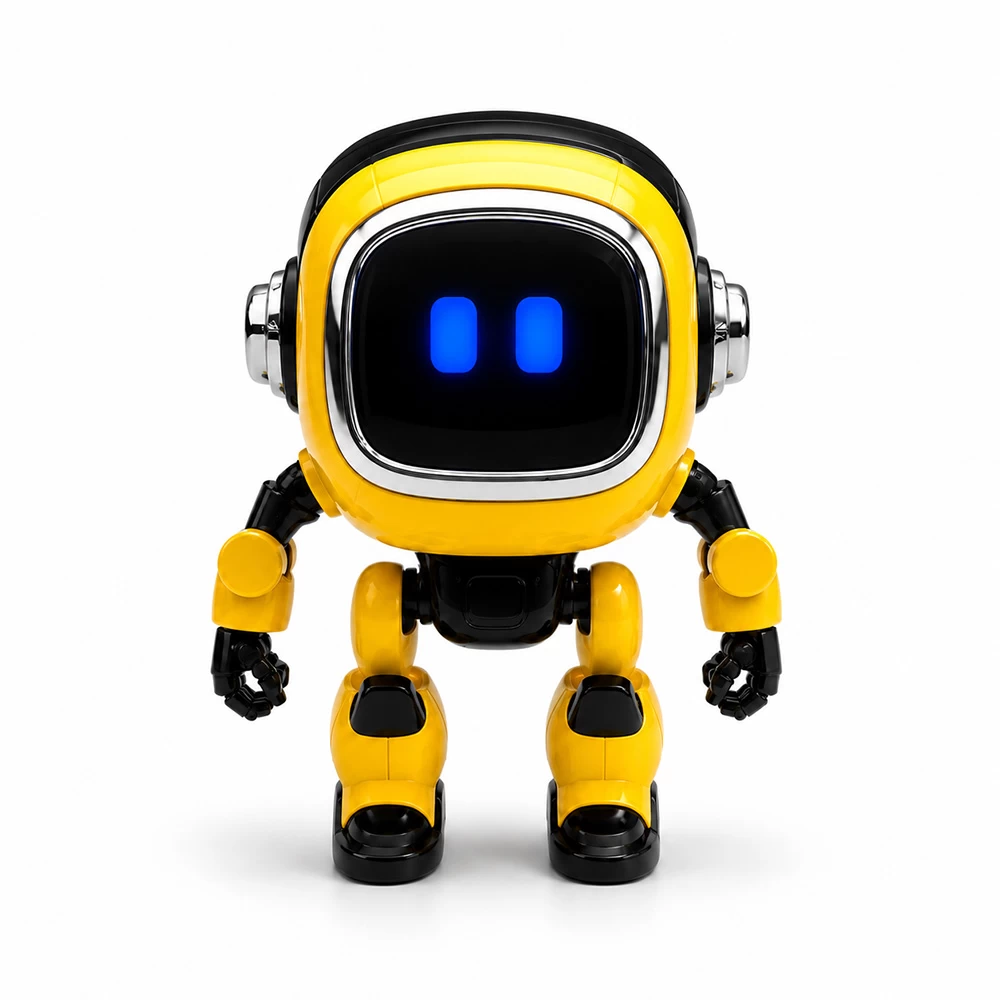
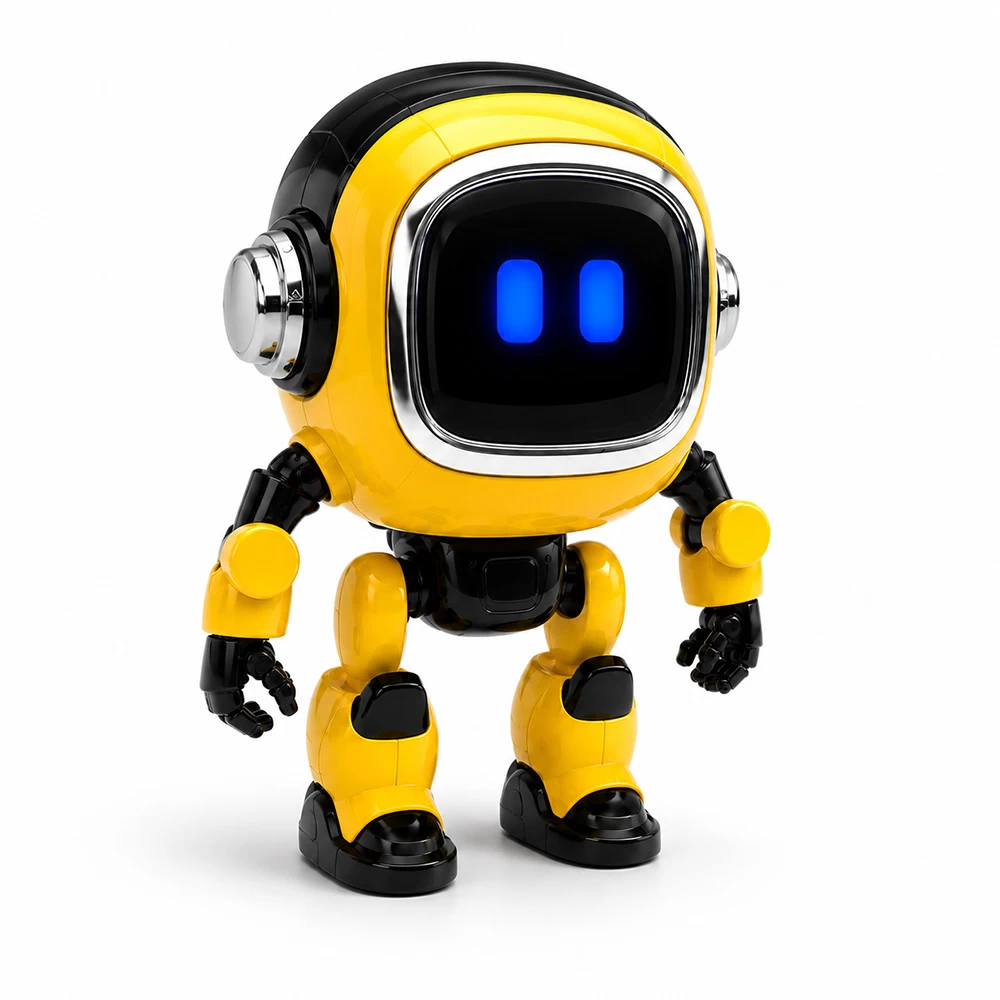
In recent years, the convergence of artificial intelligence (AI) and robotics has revolutionized the way we interact with our living environments. The advent of **smart AI companion robots** is transforming traditional homes into intelligent ecosystems that not only respond to commands but also learn, adapt, and engage meaningfully with their inhabitants. These **intelligent AI robots** are no longer confined to industrial or commercial applications; they have become an integral part of smart homes, enhancing communication, education, and entertainment in unprecedented ways.
This article explores how AI intelligent robots are reshaping smart homes and living spaces, highlighting their key functionalities, technological underpinnings, and future potential.
---
## The Rise of Smart AI Companion Robots in Homes
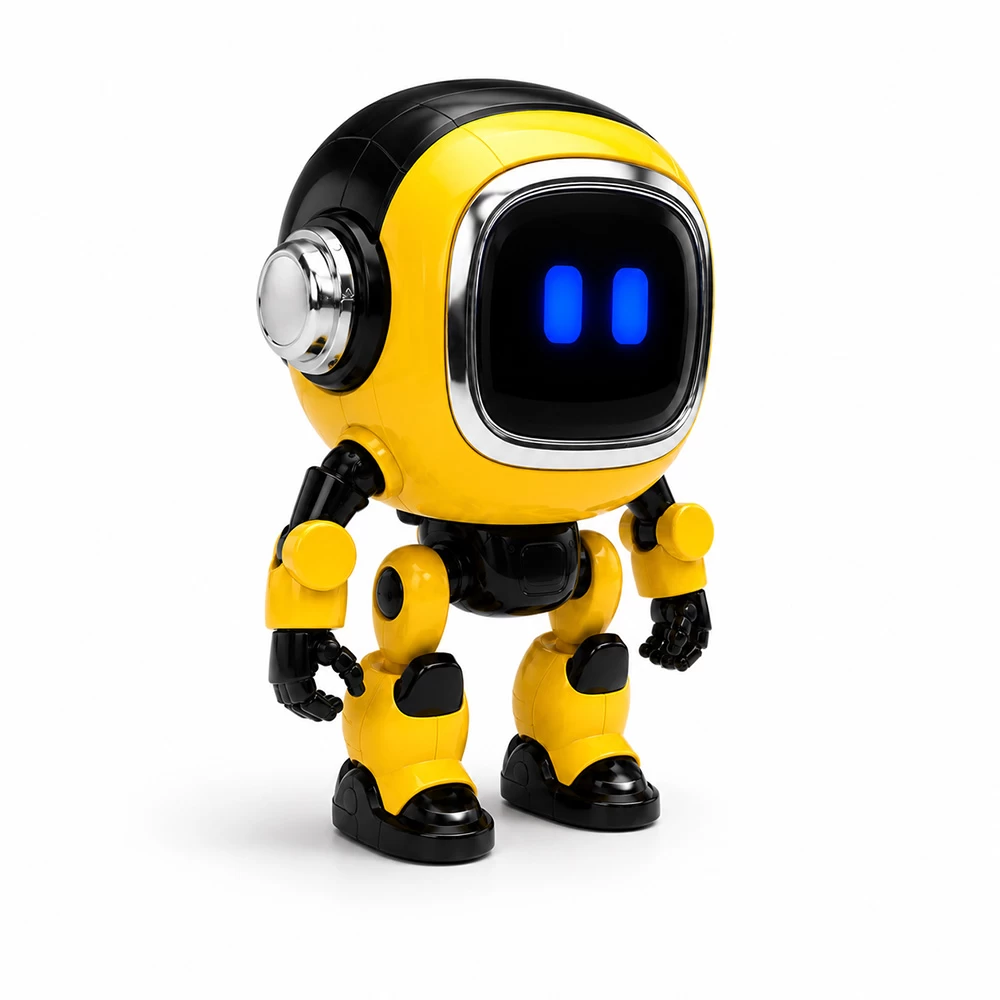
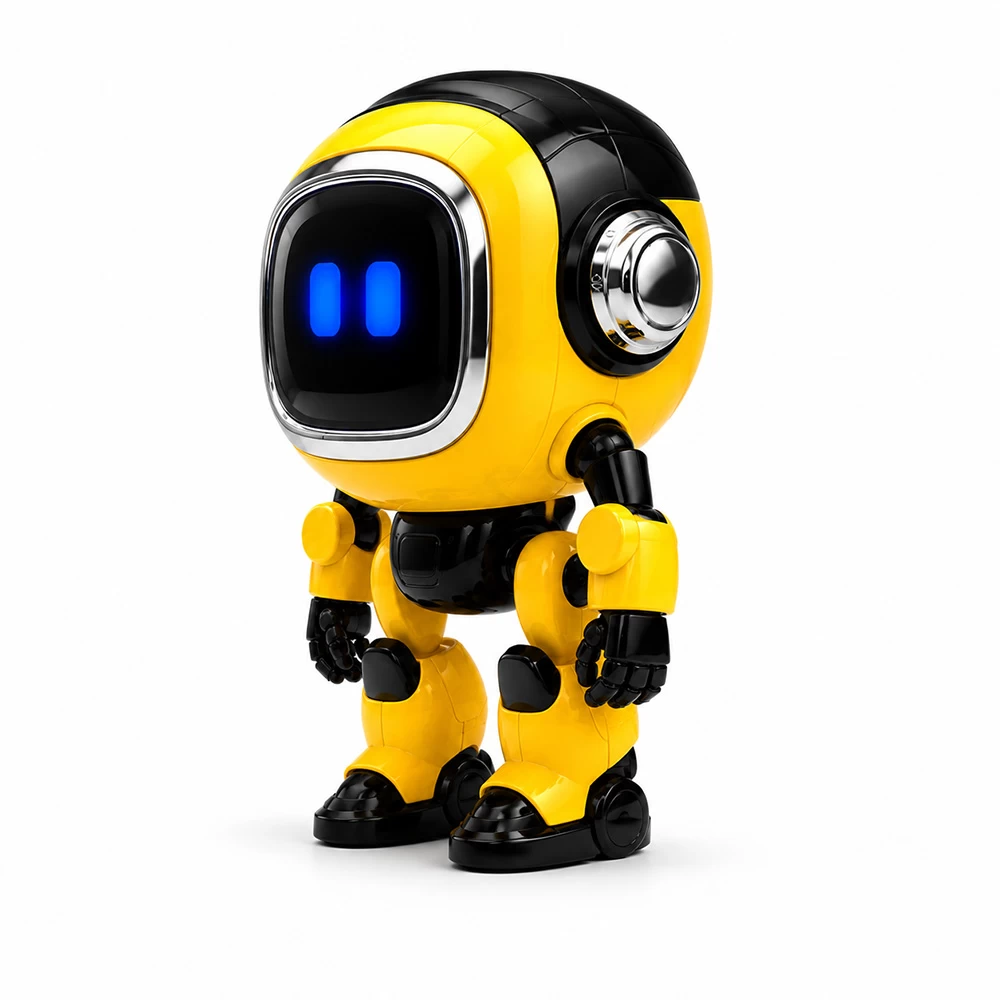
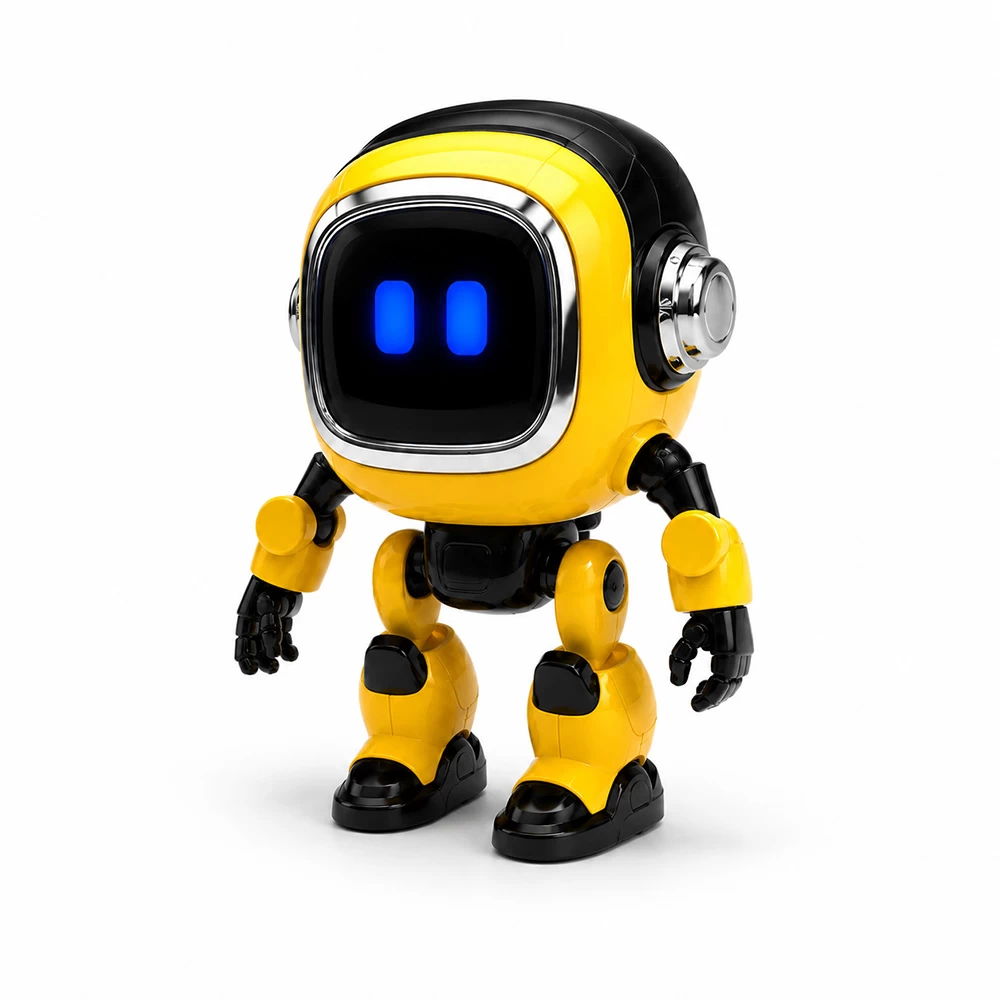
Smart AI companion robots represent a new generation of interactive devices designed to assist, entertain, and educate household members. Unlike conventional gadgets, these robots leverage **advanced AI interaction technology** to facilitate **natural communication**, enabling users to converse naturally without complex commands or interfaces.
The core appeal of these robots lies in their multifunctionality. They serve as **smart learning assistants**, creative toys, communication hubs, and even emotional companions, adapting their behavior through **smart learning** algorithms that personalize the experience based on user preferences and routines.
---
## Integration of Advanced AI Interaction Technology
At the heart of these intelligent robots is sophisticated AI interaction technology. This includes natural language processing (NLP), computer vision, speech recognition, and contextual understanding, which collectively enable robots to interpret and respond to human emotions, gestures, and speech nuances.
Such capabilities allow for:
- **Natural Communication:** Users can talk to the robot as they would with another person. This reduces the learning curve and increases engagement, especially for children and elderly users.
- **Contextual Awareness:** Robots understand the context of conversations, environmental cues, and user habits, allowing them to anticipate needs and provide proactive support.
- **Multi-modal Interaction:** Beyond voice, these robots can interact via touchscreens, gestures, and even facial expressions, creating a rich, immersive interaction environment.
This advanced AI interaction technology transforms the robot from a mere tool into an intelligent companion capable of meaningful dialogue and assistance.
---
## Enhancing Education Through Smart Learning Assistants
One of the most impactful applications of smart AI companion robots is in the domain of education and learning support within homes. These robots function as **smart learning assistants** that provide personalized educational experiences tailored to the needs of children and adults alike.
### Educational Functions and Content Integration
Modern AI robots integrate seamlessly with educational content, including textbooks, digital curricula, and multimedia resources. Through **textbook synchronization** and **learning content integration**, these robots can:
- Guide children through lessons aligned with their school syllabus.
- Provide real-time feedback and explanations on homework questions.
- Offer customized quizzes and interactive exercises that adapt to the learner’s progress.
- Facilitate collaborative learning activities that promote creativity and critical thinking.
By combining these features with **smart learning** algorithms, the robot continuously assesses the learner’s strengths and weaknesses, adjusting its teaching strategies accordingly.
### Support for Children’s Learning
Children benefit particularly from these intelligent companions due to their engaging and interactive nature. Robots designed as **creative smart toys** blend technology with art design, making learning fun and stimulating. This approach helps maintain children's attention and fosters a love for learning by integrating play and education seamlessly.
Moreover, the robot’s ability to communicate naturally encourages shy or reluctant learners to express themselves more openly, boosting confidence and language skills.
---
## Communication and Connectivity in Smart Homes
Beyond education, AI intelligent robots enhance everyday communication within smart homes. Acting as central communication hubs, these robots connect household members and facilitate interactions with the outside world.
### Family Communication
Robots equipped with video calling, messaging, and reminder functions help family members stay connected, especially in multi-generational homes or where remote family members are involved. Their intuitive interfaces ensure that even non-tech-savvy users can benefit from seamless communication.
### Integration with Smart Home Ecosystems
These AI robots often act as control centers for other smart devices, including lighting, security systems, thermostats, and appliances. Voice commands or autonomous decisions based on learned patterns allow users to manage their environment effortlessly.
Such integration creates a harmonious living space where technology works unobtrusively in the background, improving comfort, security, and energy efficiency.
---
## Entertainment: Beyond Traditional Devices
Smart AI companion robots also redefine home entertainment by offering interactive and personalized experiences. Unlike static devices, these robots respond dynamically to user preferences and moods.
### Interactive Storytelling and Games
Through **advanced AI interaction technology**, robots can narrate stories, conduct quizzes, and play educational games, enriching family leisure time. Their ability to recognize users and remember past interactions adds a layer of personalization that traditional entertainment devices cannot match.
### Creative Smart Toys and Artistic Expression
By combining technology and art design, some intelligent robots inspire creativity in children and adults alike. They can facilitate drawing, music composition, and other artistic activities, offering guidance and feedback that nurture artistic talents while fostering cognitive development.
---
## The Future of Smart Homes with Intelligent AI Robots
As AI technology continues to evolve, the role of intelligent AI robots in smart homes will expand dramatically. Future developments may include:
- **Enhanced Emotional Intelligence:** Robots will better recognize and respond to human emotions, offering companionship and mental health support.
- **Greater Autonomy:** With improvements in AI learning capabilities, robots will perform complex tasks independently, from managing home logistics to personalizing health routines.
- **Collaborative Multi-Robot Systems:** Multiple robots working together will create more efficient and responsive living environments.
- **Expanded Educational Ecosystems:** Integration with schools and online platforms will allow robots to serve as continuous learning bridges between home and academic institutions.
These advancements will further blur the boundaries between technology and daily life, creating living spaces that are smarter, safer, and more nurturing.
---
## Conclusion
AI intelligent robots are fundamentally transforming smart homes and living spaces by merging cutting-edge technology with practical, human-centric applications. As **smart AI companion robots** continue to integrate **advanced AI interaction technology**, **smart learning** capabilities, and multifunctional roles, they are becoming indispensable partners in education, communication, and entertainment.
The rise of these intelligent companions heralds a future where homes are not just smart but deeply responsive and adaptive to our needs, supporting lifelong learning, fostering creativity, and enhancing quality of life through seamless, natural interactions.
Embracing this technology today paves the way for a more connected, intelligent, and enriched living environment tomorrow.