**The Role of Machine Learning in Enhancing Robot Intelligence**
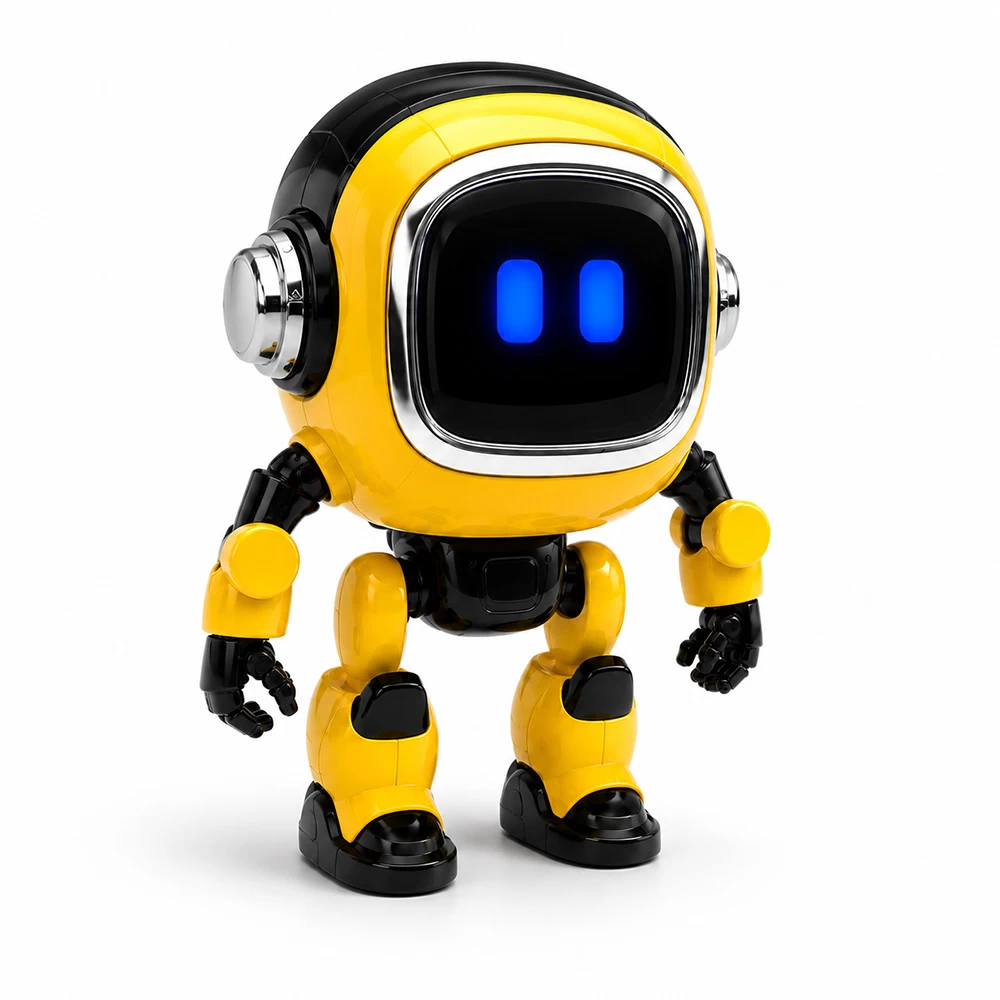
In the rapidly evolving landscape of artificial intelligence (AI), machine learning stands out as a transformative force driving the capabilities of intelligent systems, especially robots. The intersection of machine learning and robotics has ushered in a new era where AI robots are not just mechanical devices but smart companions capable of communication, education, entertainment, and adaptive learning. This article delves into how machine learning enhances robot intelligence, focusing on the development of smart AI companion robots that are revolutionizing various domains such as education and interactive entertainment.
### Understanding Machine Learning and Robot Intelligence
At its core, machine learning is a subset of AI that enables systems to learn from data, identify patterns, and make decisions with minimal human intervention. When embedded within robots, this technology empowers them to interpret complex environments, understand human behavior, and adapt their responses dynamically. Unlike traditional robots programmed for fixed tasks, intelligent AI robots equipped with machine learning algorithms continuously improve their performance through experience.
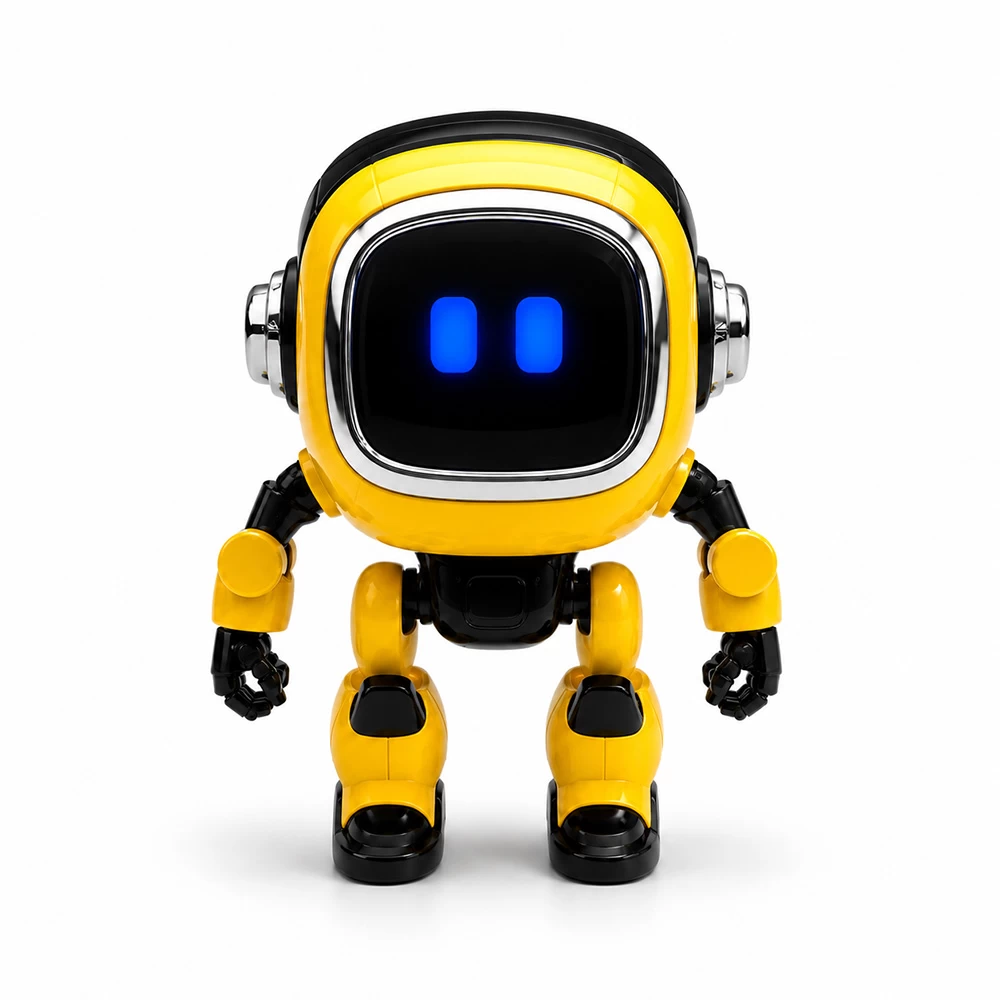
This adaptive capability is critical in developing **smart AI companion robots** that can interact naturally with humans, understand nuanced communication, and provide personalized assistance. These robots transcend the boundaries of being mere tools; they become partners in learning, creativity, and daily life support.
### Smart Learning: The Heart of Intelligent AI Robots
One of the most compelling applications of machine learning in robotics is **smart learning**—the process by which robots acquire knowledge and skills through interaction and data analysis. Smart AI companion robots leverage advanced AI interaction technology to become dynamic learners themselves, tailoring their behavior and educational content to individual users.
For example, in the context of children’s education, smart learning assistants provide personalized support that adapts to a child’s pace, interests, and learning style. These intelligent AI robots integrate **textbook synchronization** and **learning content integration**, allowing them to align their educational functions with formal curricula. Through this synergy, they can reinforce classroom lessons, provide exercises, and even introduce supplementary material in an engaging manner.
### Enhancing Communication Through Natural Interaction
Effective communication is fundamental to the success of any AI robot designed for companionship or educational purposes. Machine learning enhances **natural communication** by enabling robots to understand and generate human language with greater accuracy and contextual awareness.
Advanced AI interaction technology combines natural language processing (NLP), speech recognition, and sentiment analysis to allow robots to engage in meaningful dialogues. This capability is crucial not only for conveying information but also for building emotional connections, which are particularly important in settings like children’s learning support or eldercare.
Moreover, natural communication allows AI robots to interpret non-verbal cues such as facial expressions and gestures, making interactions more intuitive and human-like. This multimodal understanding elevates the role of AI robots from mere command-executing machines to empathetic companions.
### Educational Functions and Learning Content Integration
Machine learning enables intelligent AI robots to perform diverse educational functions that extend beyond rote memorization and repetition. These robots analyze user responses, identify areas of difficulty, and adjust their teaching strategies accordingly—a hallmark of smart learning.
A standout feature in contemporary AI robots is the ability to synchronize with textbooks and other educational resources. This **textbook synchronization** ensures that the robot’s content delivery is coherent with what students encounter in school, thereby reinforcing learning outcomes. Additionally, **learning content integration** allows these robots to pull from various multimedia sources such as videos, games, and interactive quizzes, creating a rich and immersive educational environment.
The adaptability offered by machine learning also supports differentiated instruction, catering to learners with varying needs, including those with learning disabilities. Through continuous assessment and feedback loops, smart AI companion robots foster an inclusive learning atmosphere.
### Entertainment and Creativity: Beyond Traditional Robot Roles
While education is a significant domain for intelligent AI robots, their role in **entertainment** and creative engagement is equally noteworthy. Machine learning facilitates the creation of **creative smart toys** that combine technology and art design to stimulate imagination and play.
These robots can compose music, tell stories, or participate in interactive games that evolve based on user preferences and behaviors. By analyzing user interactions, the robots learn which activities resonate most, thereby customizing entertainment experiences that remain fresh and engaging.
Furthermore, the fusion of technology and art design in these robots exemplifies how machine learning supports innovation across disciplines. It enables the development of products that are not only functional but also aesthetically appealing and emotionally satisfying.
### The Future Outlook: Towards Smarter AI Companions
The ongoing advancements in machine learning algorithms, coupled with improvements in sensor technologies and computational power, promise to further enhance the intelligence of AI robots. Future smart AI companion robots will likely exhibit even deeper levels of understanding, empathy, and creativity.
Key trends to watch include:
- **Context-Aware Learning:** Robots will better grasp situational contexts, enabling more relevant and timely interventions.
- **Emotional Intelligence:** Enhanced sentiment analysis will allow robots to respond to emotional states with greater sensitivity.
- **Collaborative Learning:** AI robots may collaborate with human educators and caregivers to deliver holistic support.
- **Cross-Platform Integration:** Seamless connectivity with other smart devices and cloud services will enrich the robot’s capabilities and data resources.
### Conclusion
Machine learning is undeniably at the heart of enhancing robot intelligence, transforming AI robots from static machines into dynamic, interactive, and intelligent companions. Through smart learning, natural communication, and integrated educational functions, intelligent AI robots are redefining how we approach learning, entertainment, and daily interactions.
The emergence of smart AI companion robots reflects a harmonious blend of technology and art design, creating creative smart toys and assistants that enrich lives. As machine learning continues to evolve, so too will the potential of AI robots to support education, foster creativity, and communicate naturally, ultimately shaping a smarter and more interconnected future.