**Exploring the Future of Learning and Interaction: The Rise of the Smart AI Companion Robot**
In the rapidly evolving landscape of artificial intelligence and robotics, the emergence of smart AI companion robots marks a significant milestone. These intelligent AI robots are no longer confined to science fiction; they are becoming integral parts of our daily lives, especially in education, communication, and entertainment. This article delves into the multifaceted world of smart AI companion robots, highlighting their advanced AI interaction technology, educational functions, and creative designs that blend technology with art.
### Understanding Smart AI Companion Robots
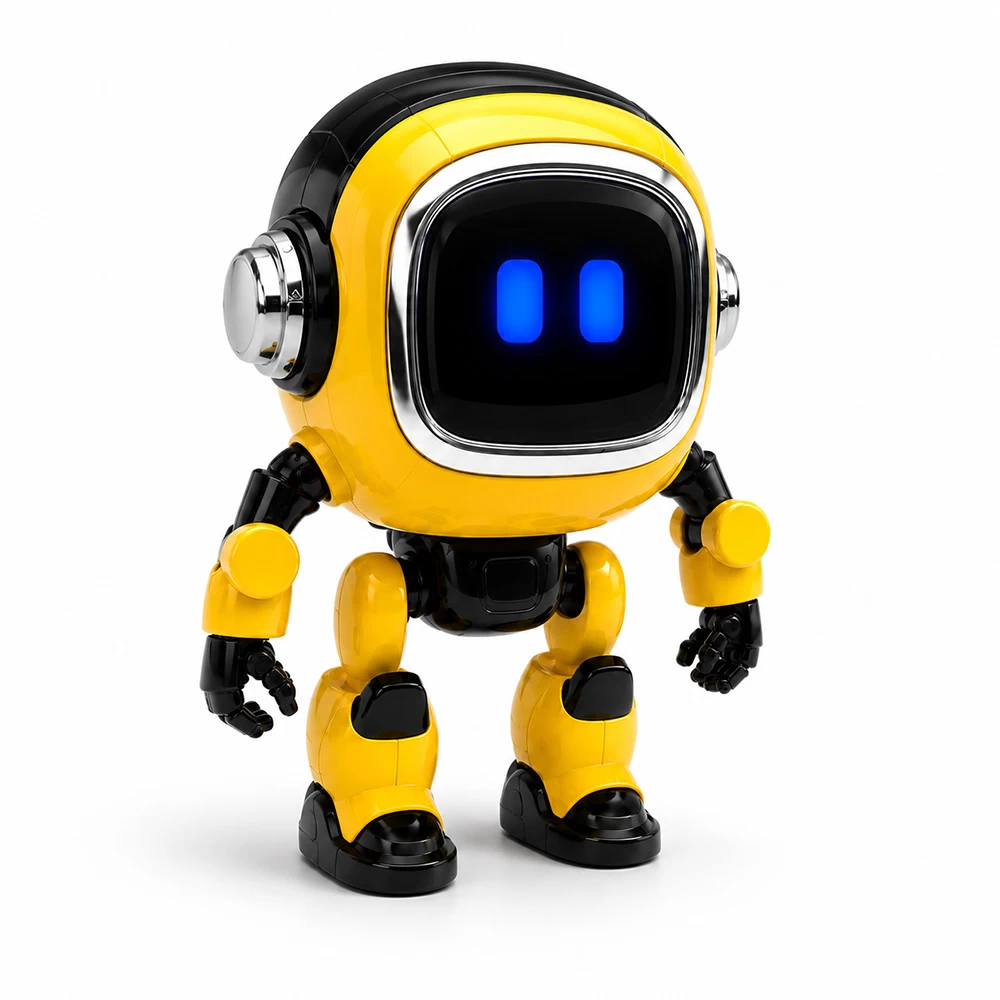
A **smart AI companion robot** is an intelligent machine designed to interact naturally with humans, offering companionship, support, and assistance across various domains. Unlike traditional robots that perform repetitive tasks, these AI robots leverage **advanced AI interaction technology** to engage users in meaningful and dynamic conversations, making them ideal for both children and adults.
At the core of these robots is **smart learning** capability. They continuously adapt and learn from interactions, refining their responses and enhancing their ability to assist users effectively. This intelligent adaptability positions them as invaluable tools for **education** and **communication**, fostering an environment where learning and social engagement happen seamlessly.
### Advanced AI Interaction Technology: Making Communication Natural
One of the key innovations driving smart AI companion robots is their ability to facilitate **natural communication**. Through sophisticated natural language processing (NLP), speech recognition, and emotion recognition technologies, these robots can understand and respond to human emotions, tones, and context. This results in more engaging and empathetic interactions, making AI companions feel less like machines and more like trusted friends or tutors.
For instance, when a child expresses frustration while solving a math problem, the intelligent AI robot can detect this emotional cue and offer encouragement or alternative explanations. This empathetic communication fosters greater user engagement, especially among children who benefit from personalized attention during their learning journey.
### The Role of Smart AI Companion Robots in Education
Education is one of the most promising fields for the application of smart AI companion robots. These robots serve as **smart learning assistants** that complement traditional teaching methods by providing personalized learning experiences tailored to each student's pace and style.
#### Children's Learning Support and Educational Functions
Children often require individualized attention to grasp complex concepts fully. The **educational functions** integrated into intelligent AI robots include interactive quizzes, storytelling, problem-solving tasks, and language practice. By adapting content based on the child’s progress, these robots help maintain motivation and improve retention.
Moreover, **children’s learning support** is enhanced through features such as **textbook synchronization** and **learning content integration**. Robots can synchronize with school curricula and textbooks, allowing children to review lessons at home with the same materials taught in class. This continuity ensures consistency in learning and enables parents and teachers to track progress effectively.
#### Textbook Synchronization and Learning Content Integration
The ability to synchronize with textbooks and integrate diverse learning content sets smart AI companion robots apart from conventional educational tools. For example, if a child is studying a history lesson in school, the robot can provide supplementary multimedia content—videos, animations, or interactive timelines—to deepen understanding.
This seamless integration not only enriches the learning experience but also encourages independent exploration. Children can ask questions beyond the textbook, and the AI robot can provide accurate, age-appropriate answers, fostering curiosity and critical thinking skills.
### Entertainment and Creativity: Beyond Learning
While education is a primary focus, smart AI companion robots also excel as sources of **entertainment** and creativity. These robots often incorporate features of a **creative smart toy**, blending technology and art design to captivate users’ imaginations.
Interactive games, music playback, storytelling, and even dance routines are some entertainment options available. These activities not only provide fun but also stimulate cognitive development and social skills. For example, collaborative games encourage teamwork and communication, while musical interactions can enhance auditory skills and memory.
### Technology and Art Design: Crafting the Perfect Companion
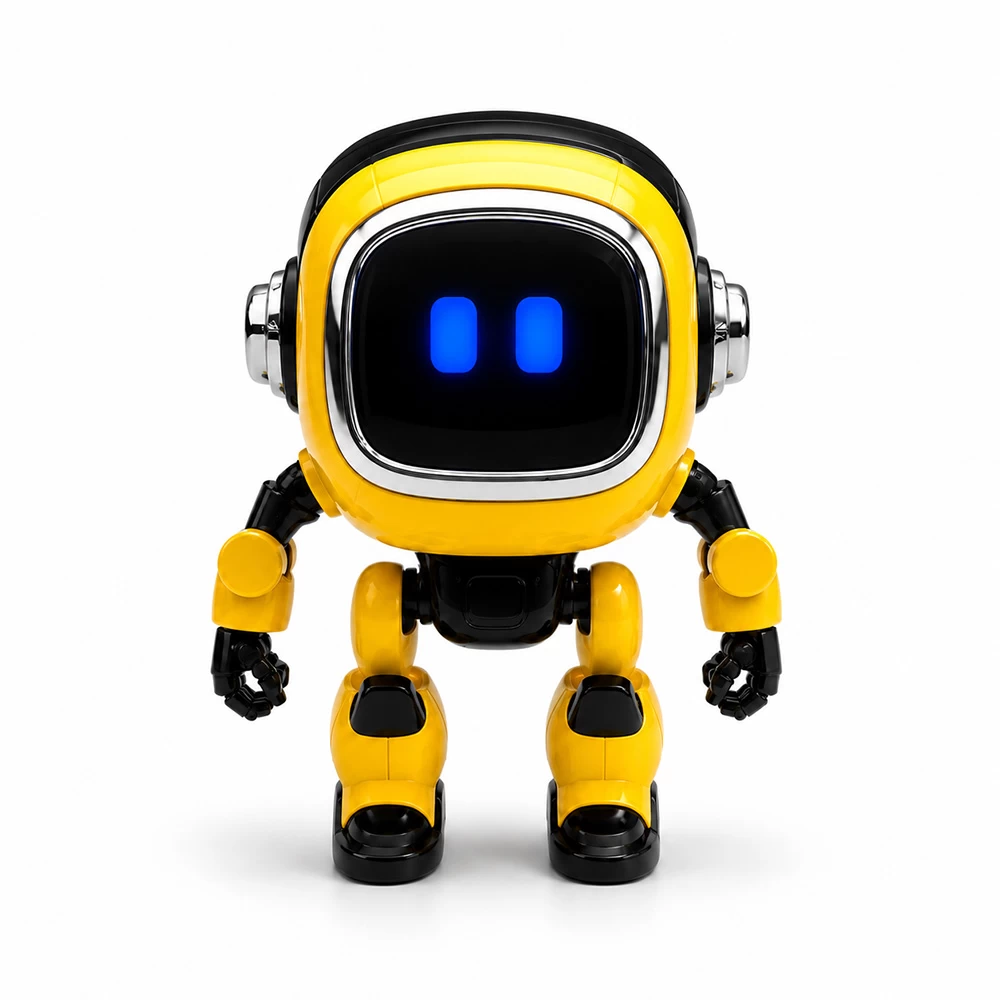
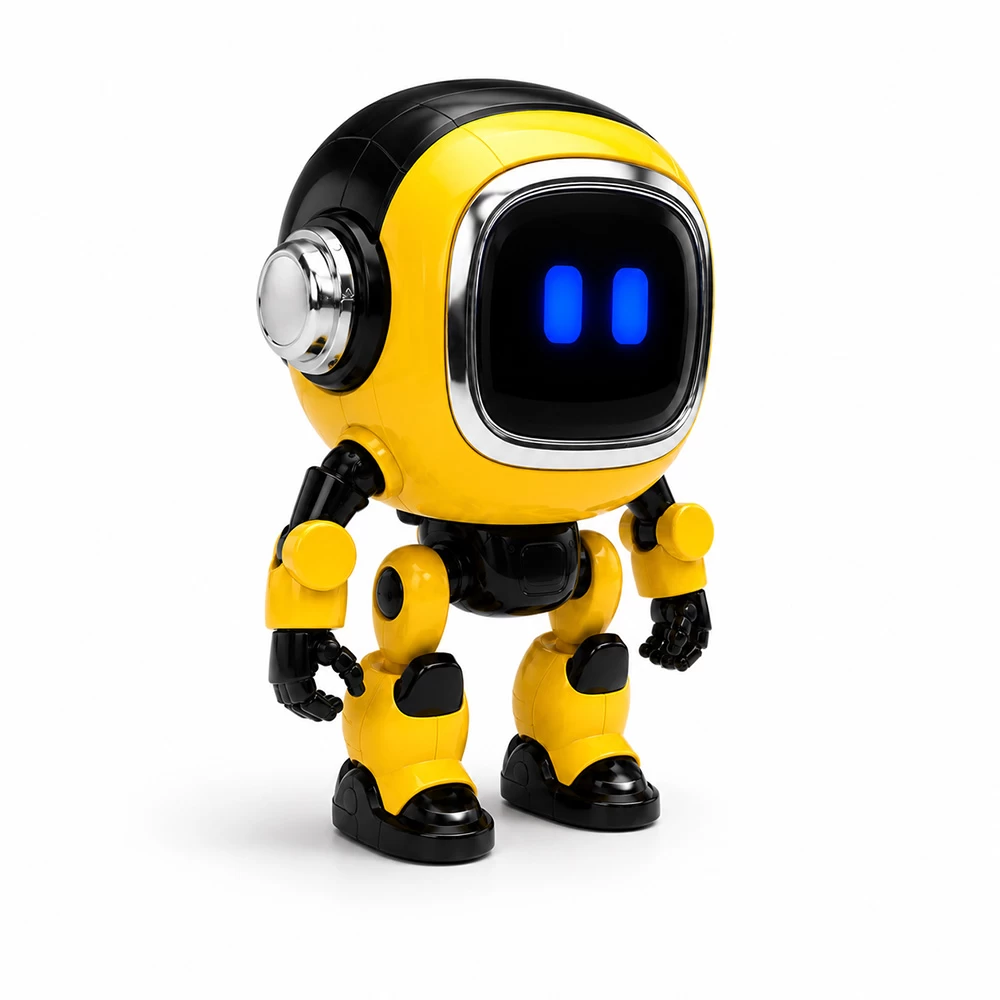
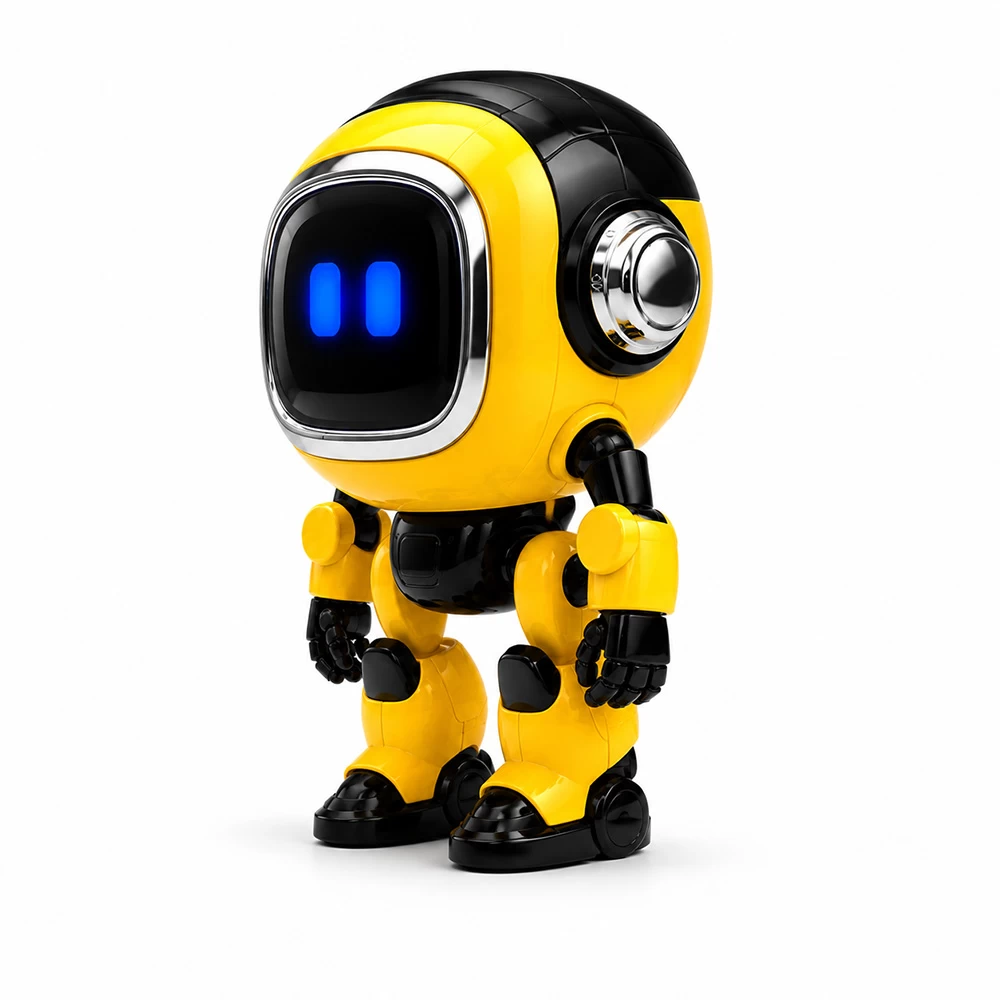
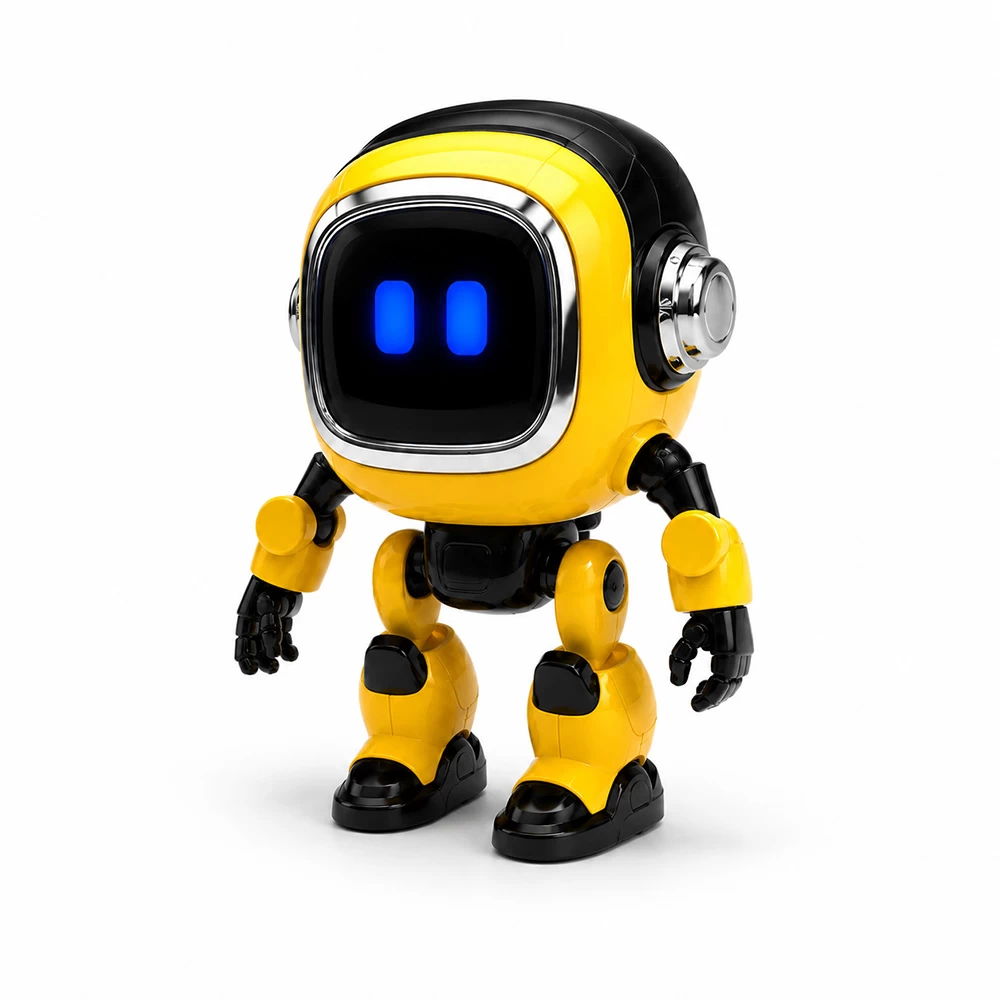
The success of intelligent AI robots lies not only in their software but also in their hardware and design. Developers emphasize **technology and art design** to create robots that are visually appealing and approachable, especially for children. Friendly appearances, expressive faces, and smooth movements contribute to positive user experiences by reducing apprehension associated with interacting with machines.
Furthermore, ergonomic designs ensure that these robots are safe and comfortable to use, whether held in hand or placed on a desk. Materials used are often non-toxic and durable, considering the robots’ target audience includes young children.
### Future Prospects: Bridging Gaps with Intelligent AI Robots
Smart AI companion robots hold immense potential to bridge gaps in education, social interaction, and accessibility. In remote or underserved areas, these robots can act as tutors where human resources are scarce. For children with special needs, intelligent AI robots can offer customized support tailored to individual requirements, helping them overcome learning barriers.
In addition, as **advanced AI interaction technology** continues to evolve, future robots will become even more intuitive, capable of deeper empathy and richer conversations. Integration with other smart devices and cloud-based learning platforms will enable continuous updates and access to vast educational resources.
### Challenges and Ethical Considerations
Despite the exciting possibilities, the deployment of smart AI companion robots comes with challenges. Privacy concerns arise from the data collected during interactions, necessitating stringent security measures. Additionally, the reliance on AI should not replace human educators or caregivers but rather augment their efforts.
Ethical frameworks must guide the development and use of these robots to ensure they promote positive social outcomes and do not inadvertently cause harm or dependency. Transparency about AI capabilities and limitations is essential to build trust among users and their families.
### Conclusion
The advent of smart AI companion robots represents a paradigm shift in how we approach education, communication, and entertainment. By harnessing **smart learning** abilities and **advanced AI interaction technology**, these intelligent AI robots offer personalized, natural, and engaging experiences that support children's learning and development.
With features like **textbook synchronization**, **learning content integration**, and creative designs that merge **technology and art**, smart AI companion robots stand poised to become indispensable allies in the digital age. As technology advances, these robots will continue to evolve, enriching lives and opening new frontiers in human-robot collaboration.
The future of learning and interaction is intelligent, interactive, and immensely promising—ushered in by the rise of the smart AI companion robot.