**Ethical Considerations When Developing AI Intelligent Robots**
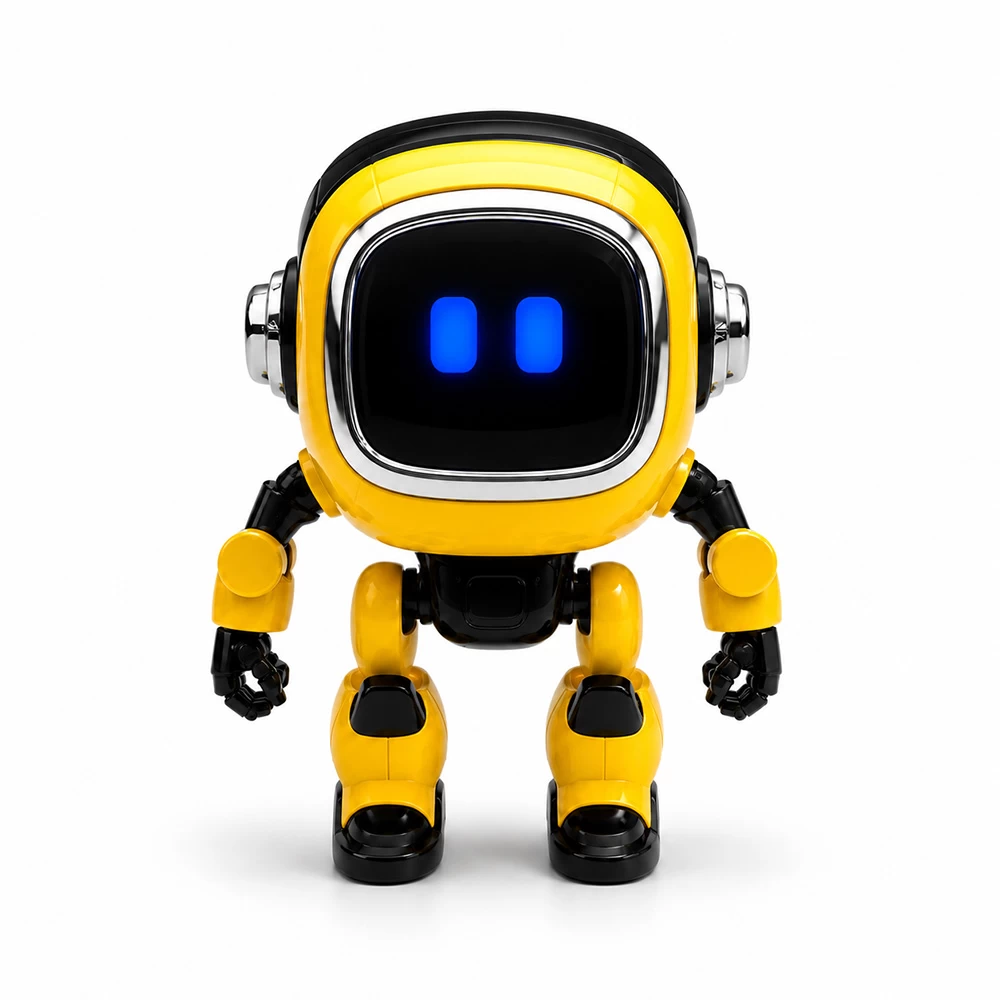
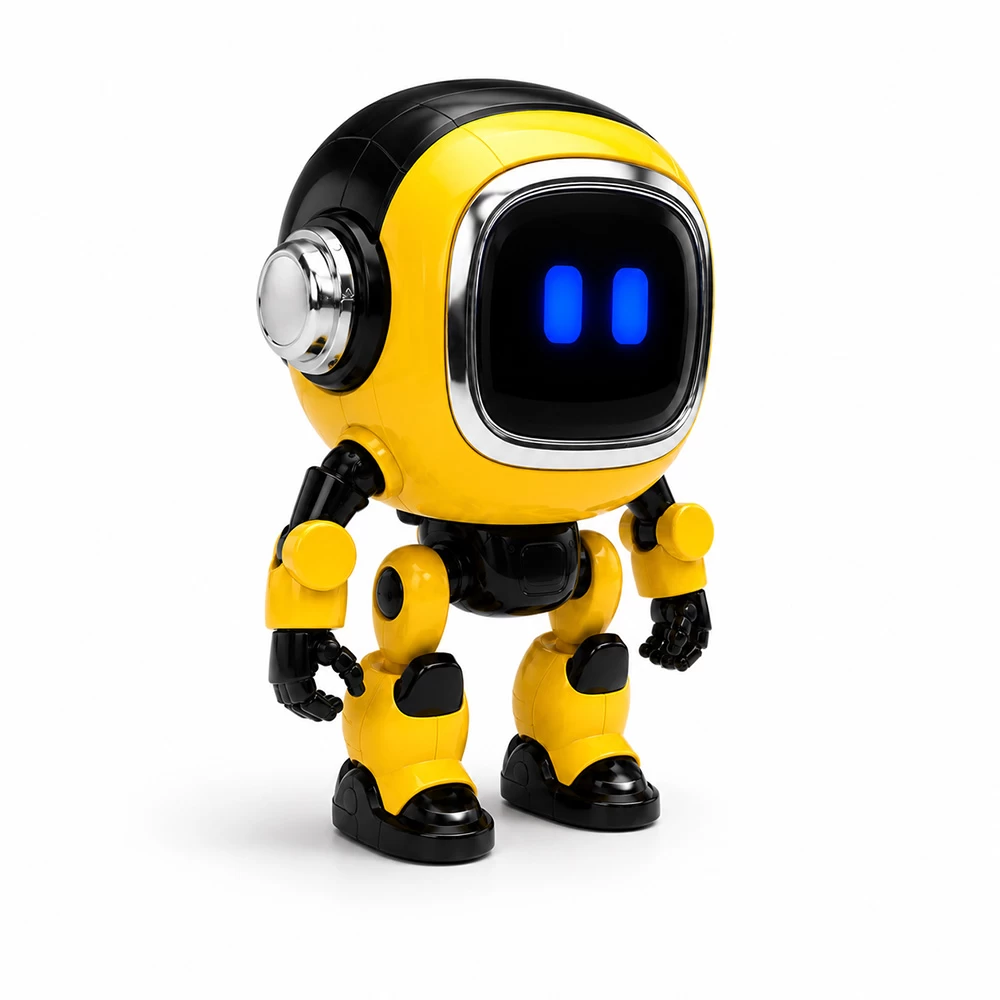
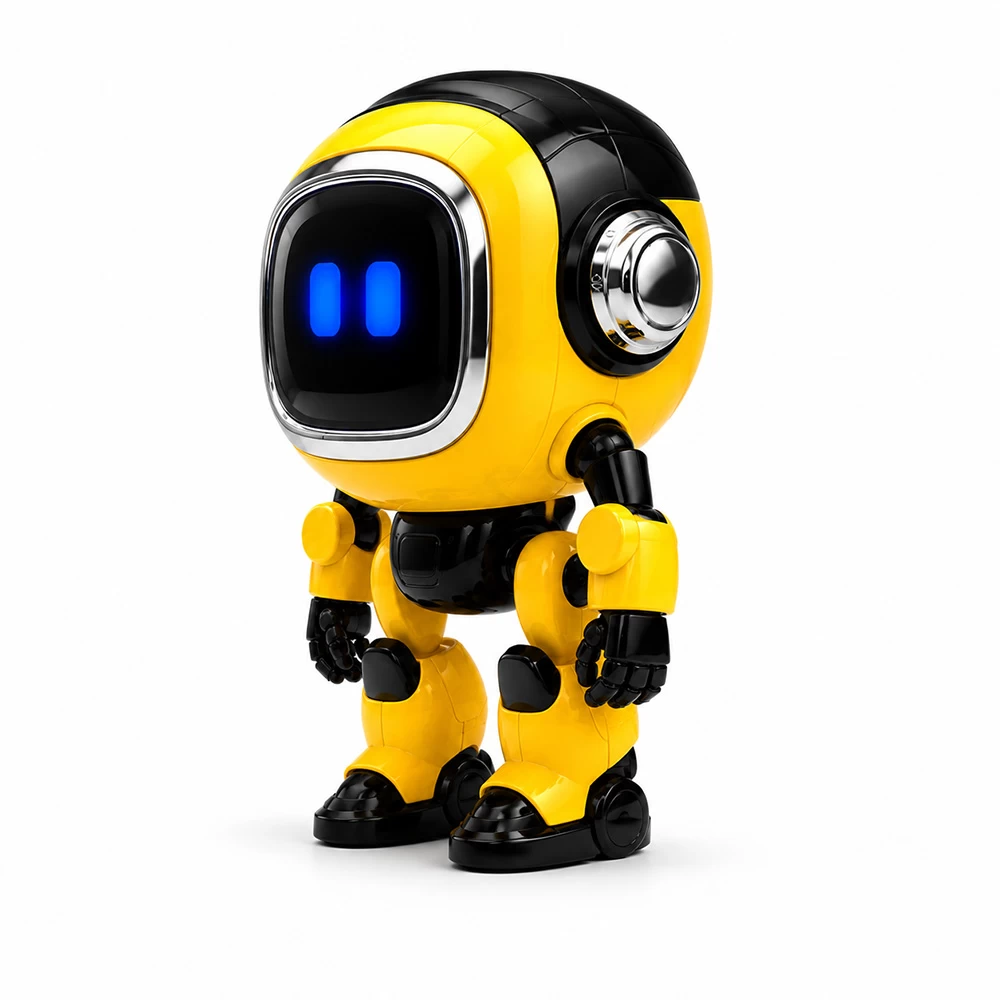
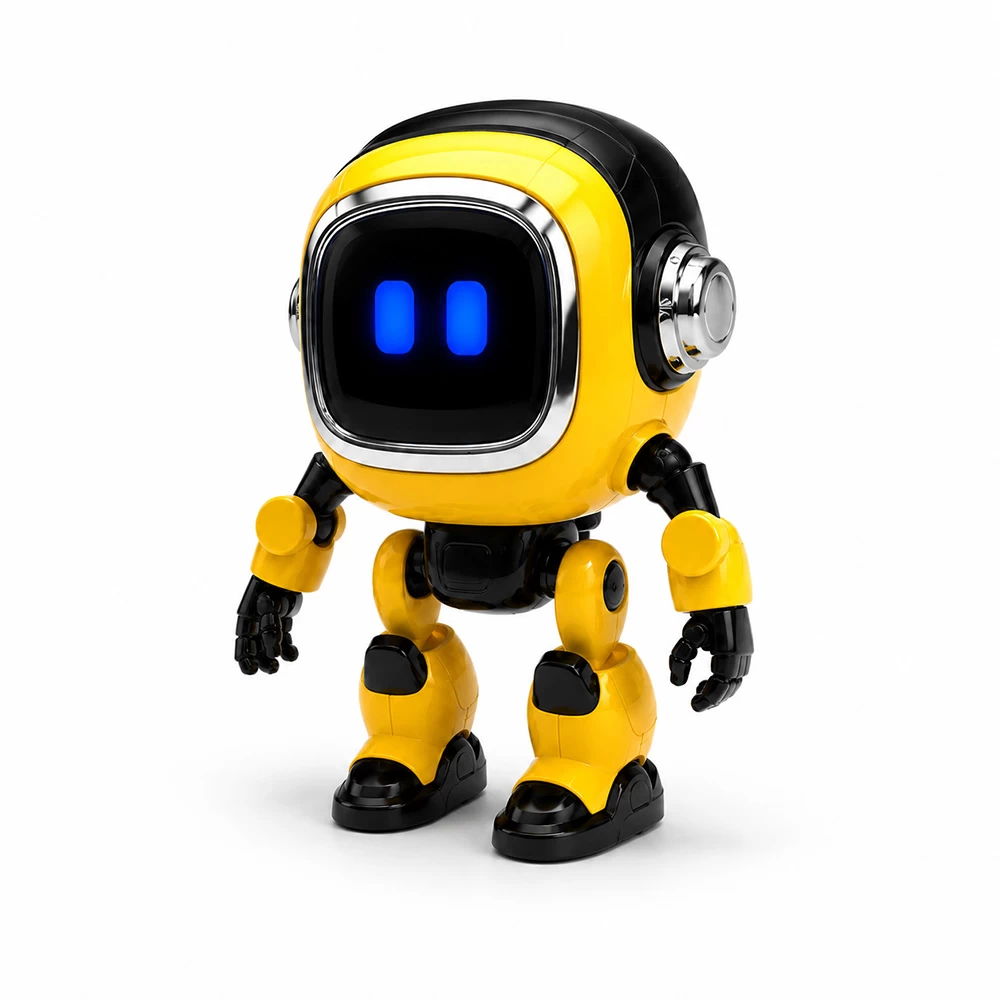
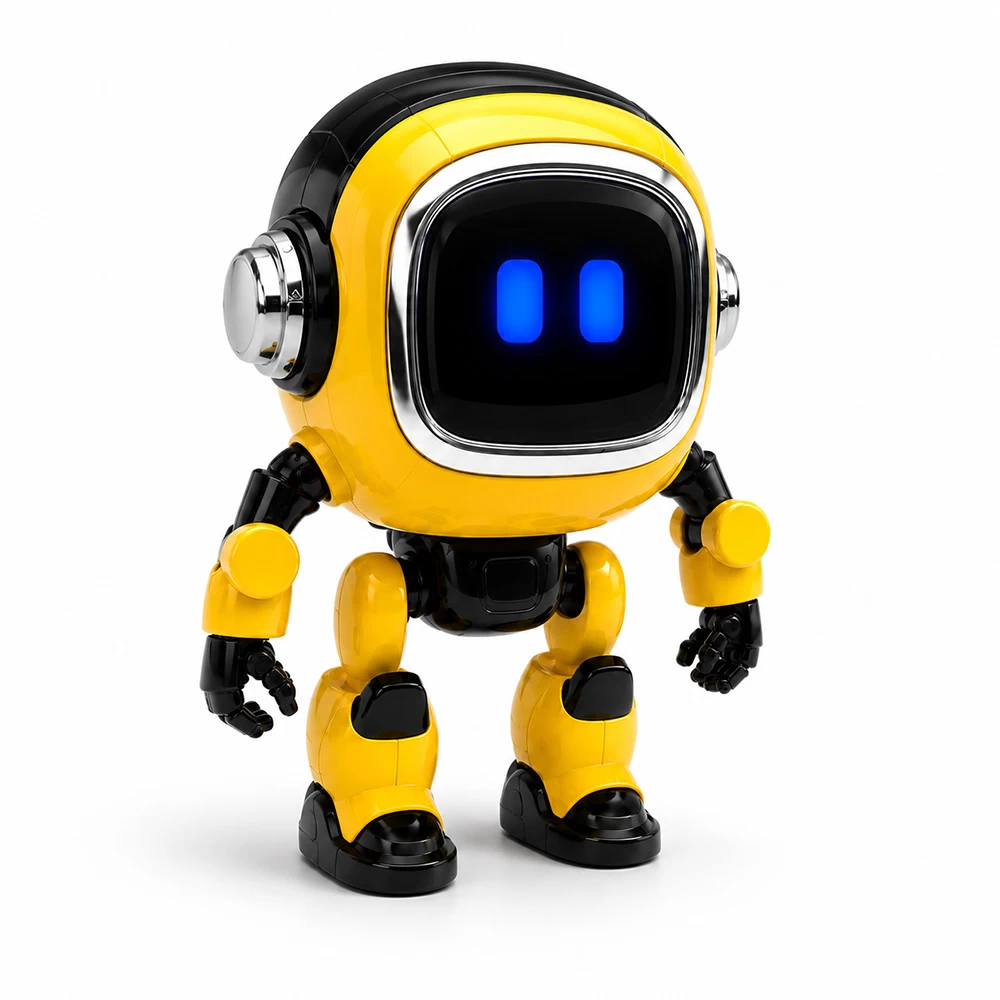
The rapid advancement of artificial intelligence (AI) has ushered in a new era of intelligent robots, transforming diverse sectors such as education, entertainment, healthcare, and communication. Among these innovations, the emergence of the *smart AI companion robot* stands out as a remarkable milestone. These intelligent AI robots, equipped with advanced AI interaction technology and smart learning capabilities, are increasingly becoming integrated into daily life as *smart learning assistants*, creative smart toys, and educational tools designed to support children’s learning and development.
However, while the technological progress is impressive, it also raises profound ethical questions. The development and deployment of AI intelligent robots—especially those designed for educational and interactive purposes—necessitate careful consideration of ethical principles to ensure they serve humanity responsibly and beneficially. This article explores the key ethical considerations surrounding the creation and use of AI intelligent robots, focusing on their communication abilities, educational functions, entertainment value, and the integration of technology and art design.
---
### The Rise of Intelligent AI Robots in Education and Entertainment
Intelligent AI robots today are far more than mechanical devices; they are sophisticated systems capable of natural communication, smart learning, and adaptive behavior. Designed with advanced AI interaction technology, these robots can understand and respond to human emotions and intentions, enabling natural communication that fosters meaningful interactions.
In educational contexts, *smart learning assistants* serve as invaluable tools that support children’s learning through personalized tutoring, textbook synchronization, and seamless learning content integration. These robots are embedded with educational functions that adapt lessons to individual needs, making learning engaging and accessible. Beyond education, AI robots also act as creative smart toys, blending technology and art design to stimulate creativity and imagination in children.
Given these multifaceted roles, ethical considerations become paramount to ensure that the deployment of AI robots respects human dignity, privacy, and societal values.
---
### 1. Privacy and Data Security
One of the foremost ethical concerns when developing AI intelligent robots is the protection of user privacy. These robots often collect vast amounts of data—including voice recordings, behavioral patterns, and learning progress—to optimize their performance and personalize interactions. For example, a smart AI companion robot may analyze a child’s responses to tailor educational content effectively.
Developers must implement stringent data security measures to safeguard sensitive information from unauthorized access or misuse. Additionally, transparency is critical: users and guardians should be fully informed about what data is collected, how it is stored, and for what purposes it is used. Ethical AI development mandates compliance with data protection regulations such as GDPR and COPPA (Children’s Online Privacy Protection Act) to protect vulnerable populations like children.
---
### 2. Ensuring Transparency and Explainability
Advanced AI interaction technology can sometimes operate as a “black box,” where decision-making processes are opaque even to developers. However, when AI robots are involved in education and communication, transparency becomes essential. Parents, educators, and users should understand how the AI makes decisions, recommends learning paths, or moderates conversations.
Explainability fosters trust and allows users to assess whether the robot’s behavior aligns with ethical standards and educational goals. For instance, an intelligent AI robot functioning as a smart learning assistant must clarify why it suggests certain learning materials or how it adapts its teaching style based on the learner’s progress. Without this transparency, users may feel disempowered or misled, which undermines the robot’s educational and communicative effectiveness.
---
### 3. Avoiding Dependency and Encouraging Human Interaction
While AI robots excel at providing personalized assistance and interactive experiences, there is an ethical imperative to avoid fostering excessive dependency. Particularly for children, overreliance on a smart AI companion robot might reduce opportunities for human socialization, impacting emotional and social development.
Designers should therefore ensure that AI robots complement rather than replace human interaction. For example, educational functions could include prompts encouraging children to discuss topics with parents or teachers, or the robot could facilitate group activities that promote peer collaboration. Balancing technology with human connection is vital to nurturing well-rounded development.
---
### 4. Promoting Inclusivity and Accessibility
Ethical AI development demands attention to inclusivity and accessibility. Smart learning assistants and intelligent AI robots should accommodate diverse learning styles, languages, cultural backgrounds, and abilities. Textbook synchronization and learning content integration must be adaptable to different educational systems and curricula across regions.
Moreover, AI robots should be designed to support children with disabilities, offering features such as speech-to-text, sign language recognition, or sensory-friendly modes. By prioritizing inclusivity, developers can ensure that the benefits of AI technology extend equitably to all users, avoiding the reinforcement of existing disparities.
---
### 5. Safeguarding Against Bias and Stereotyping
AI systems learn from data that may contain inherent biases, leading to unintended discrimination or stereotyping. In the context of intelligent AI robots, biased algorithms could affect educational content, communication styles, or entertainment options, potentially marginalizing certain groups.
To address this, developers must rigorously audit training data and algorithms to detect and mitigate bias. This includes evaluating how the robot interacts with users of different genders, ethnicities, and socioeconomic backgrounds to promote fairness and respect. Ethical AI necessitates ongoing monitoring and updates to uphold equity in all interactions.
---
### 6. Defining Boundaries of AI Autonomy
The increasing sophistication of AI robots invites questions about the appropriate level of autonomy. Should an intelligent AI robot make independent decisions about educational content without human oversight? How much freedom should it have to initiate communication or entertainment activities?
Ethical guidelines suggest that AI autonomy must be carefully calibrated and transparent. For example, a smart learning assistant might autonomously recommend exercises but require parental approval before altering a child’s study plan significantly. Clear boundaries prevent misuse and maintain human control over critical decisions, ensuring accountability.
---
### 7. Respecting Emotional Well-being and Psychological Impact
As AI robots engage in natural communication, they inevitably influence users’ emotional states. Smart AI companion robots designed for children must be sensitive to psychological well-being, avoiding manipulative or addictive behaviors. For instance, entertainment modules should not exploit attention-grabbing tactics that could lead to excessive screen time or neglect of other activities.
Developers should embed ethical design principles that prioritize positive emotional experiences, encourage healthy habits, and support resilience. Collaboration with child psychologists and educators can guide the creation of emotionally supportive AI companions.
---
### 8. Integrating Technology and Art Design Ethically
The fusion of technology and art design in creating creative smart toys presents unique ethical considerations. Artistic elements profoundly impact how users perceive and interact with AI robots. Designers must ensure that aesthetics do not overshadow functionality or mislead users about the robot’s capabilities.
Additionally, the portrayal of AI robots should avoid reinforcing harmful stereotypes or unrealistic expectations. Ethical art design involves thoughtful representation that respects cultural diversity and promotes positive values, enriching the educational and entertainment experience without compromising integrity.
---
### Conclusion
The development of AI intelligent robots, particularly smart AI companion robots with smart learning and advanced interaction technologies, holds immense promise for enhancing education, communication, and entertainment. However, these benefits come with significant ethical responsibilities.
By prioritizing privacy, transparency, inclusivity, fairness, and emotional well-being, developers can create AI robots that genuinely support children’s learning and development while respecting human dignity and societal norms. Balancing technology with ethical considerations ensures that intelligent AI robots become trusted partners in education and creativity, advancing not only innovation but also the common good.
As we continue to integrate AI robots into everyday life, ongoing dialogue among technologists, ethicists, educators, parents, and policymakers will be crucial. Together, we can shape an ethical framework that guides the responsible evolution of AI intelligent robots, empowering future generations with tools that are as conscientious as they are intelligent.