**The Evolution of AI Intelligent Robots: From Concept to Reality**
Artificial Intelligence (AI) and robotics have long captured the imagination of scientists, engineers, and the general public alike. What began as a futuristic vision in science fiction has rapidly evolved into tangible, sophisticated machines that are increasingly integrated into everyday life. Among the most exciting advancements is the development of intelligent AI robots—machines capable not only of performing tasks but also of learning, communicating, and interacting with humans in natural and meaningful ways. This article explores the evolution of AI intelligent robots, focusing on the emergence of smart AI companion robots, their applications in education, entertainment, and communication, and the role of advanced AI interaction technology and smart learning in shaping the future.
### The Genesis of AI Intelligent Robots
The concept of intelligent robots can be traced back to early automata and mechanical devices designed to mimic human actions. However, it was not until the advent of computer science and artificial intelligence in the mid-20th century that the idea of truly intelligent machines became feasible. Early AI robots were rudimentary, limited by the computational power available and constrained to pre-programmed tasks without adaptive capabilities.
As AI research progressed, key breakthroughs in machine learning, natural language processing, and sensor technologies paved the way for robots that could perceive their environment, process complex data, and make decisions autonomously. This shift transformed robots from mere tools into intelligent agents capable of interactive, context-aware behaviors.
### From Industrial Automation to Intelligent AI Companions
Historically, the primary application of robots was in industrial settings—manufacturing lines, assembly plants, and logistics centers—where precision, speed, and endurance were paramount. These robots, while technologically advanced, lacked the cognitive and communicative abilities that characterize today’s intelligent AI robots.
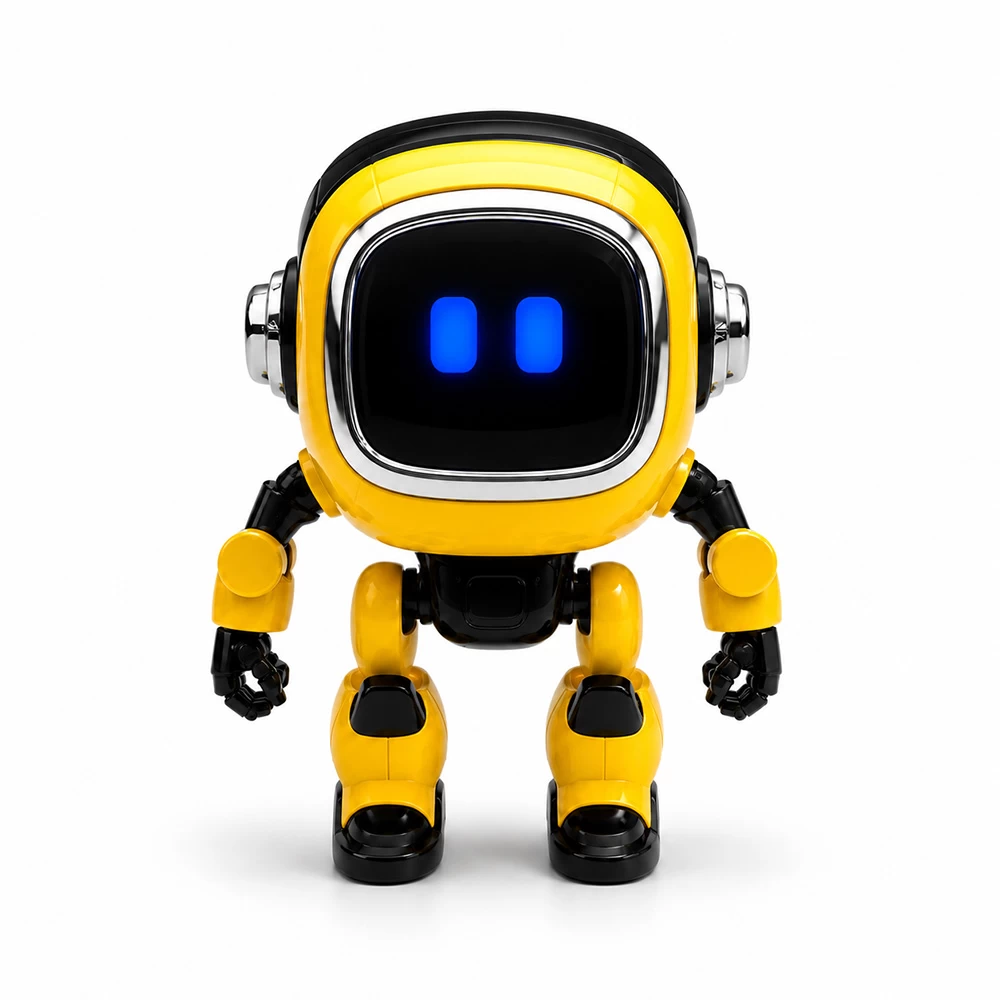
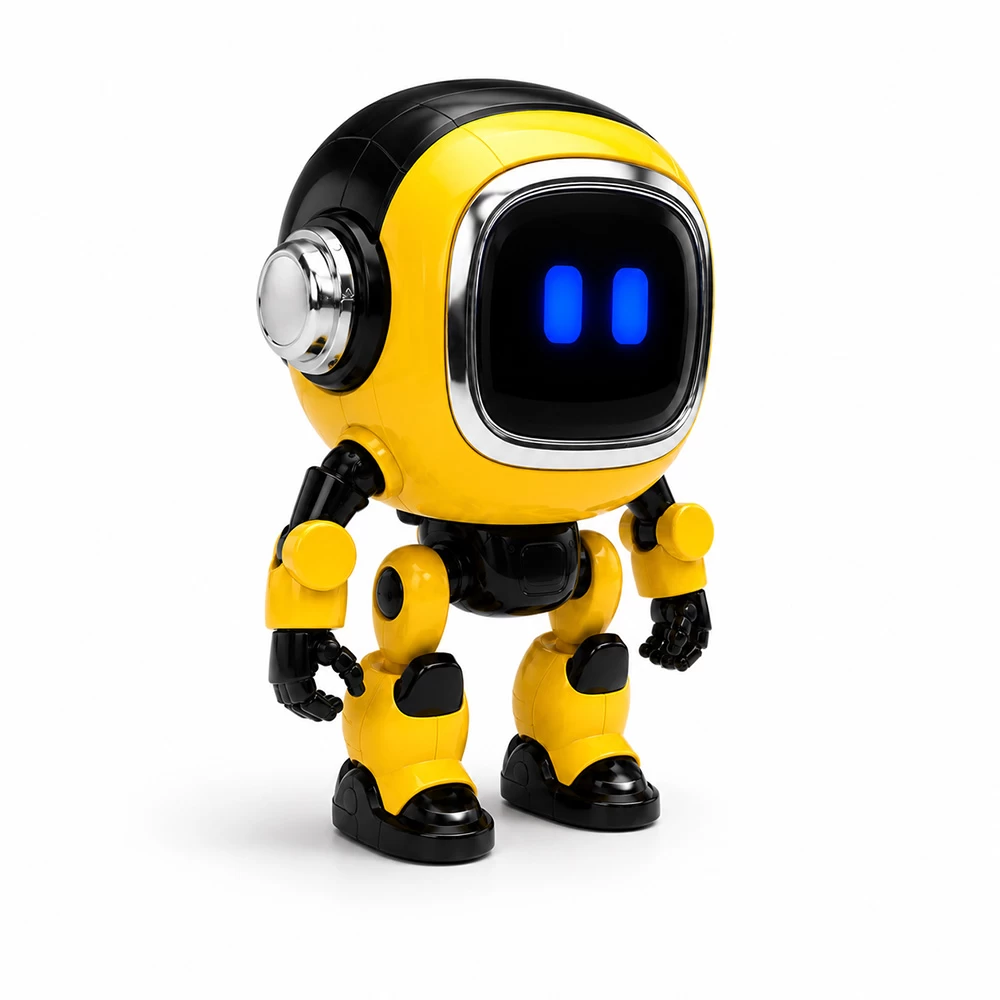
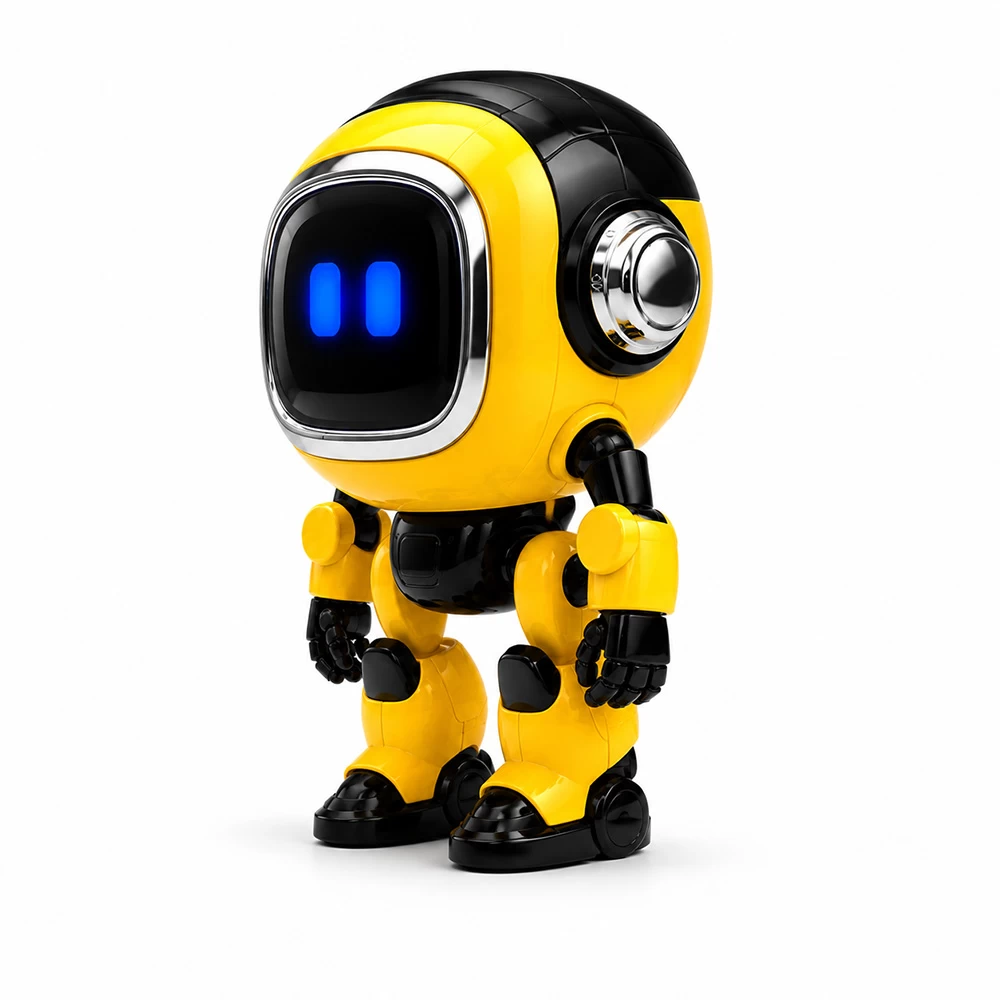
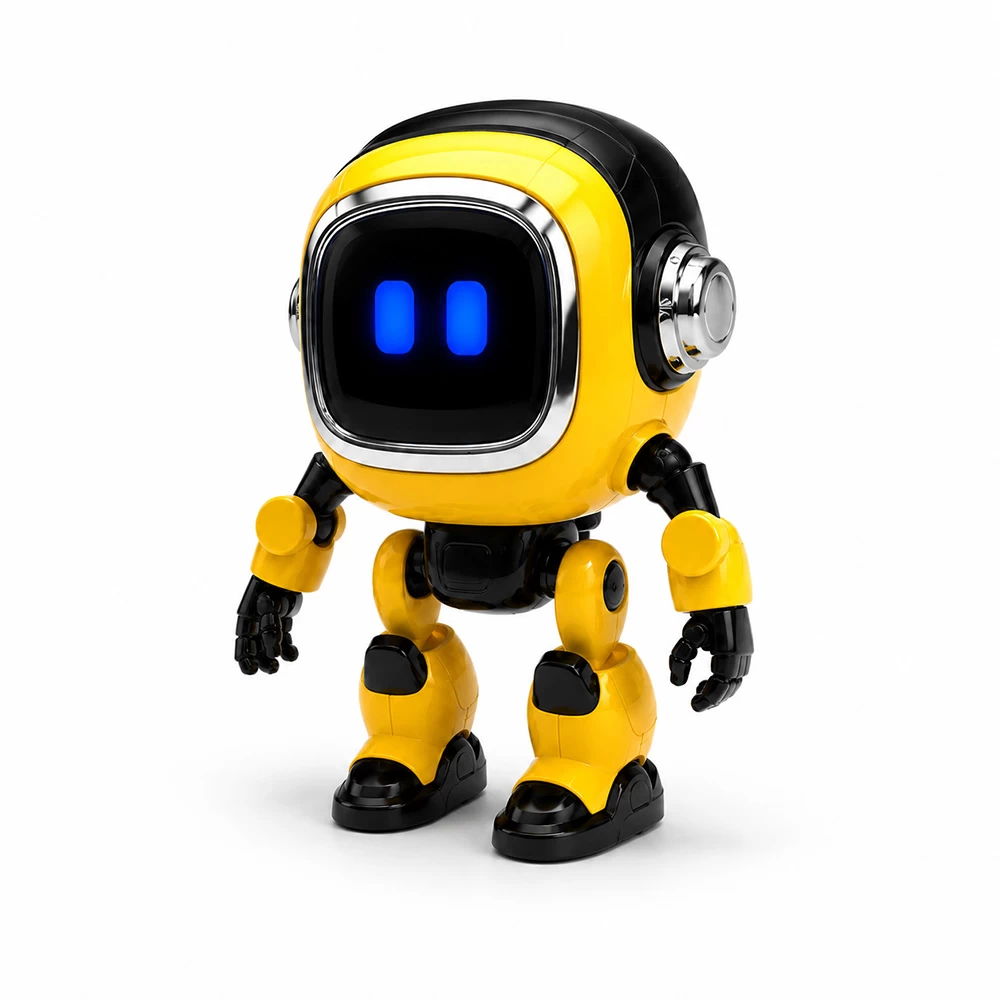
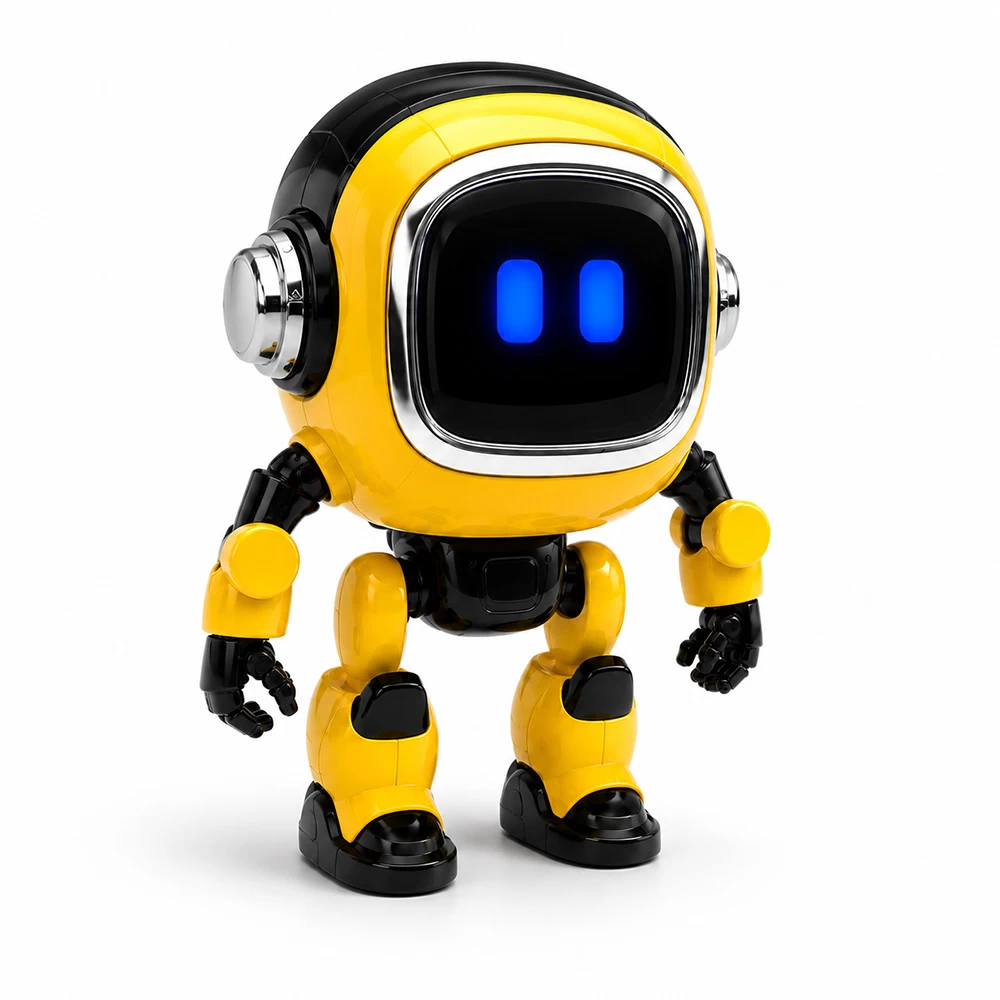
The transition from industrial automation to personal and social robotics marked a significant milestone. The emergence of **smart AI companion robots** signaled a new era where robots were designed not just to perform repetitive tasks but to engage with humans on a personal level. These companion robots are imbued with **advanced AI interaction technology** that enables them to understand natural language, recognize emotions, and respond appropriately, creating an experience of **natural communication** that feels intuitive and human-like.
### Key Technologies Driving Intelligent AI Robots
Several core technologies underpin the evolution of intelligent AI robots:
- **Smart Learning:** Modern AI robots utilize machine learning algorithms to adapt their behavior based on interactions and experiences. This allows for continuous improvement in communication, task execution, and personalized responses.
- **Natural Language Processing (NLP):** NLP enables robots to comprehend and generate human language, facilitating seamless conversations and instructions.
- **Computer Vision and Sensor Fusion:** These technologies allow robots to perceive their environment, recognize objects, and interpret gestures and facial expressions.
- **Emotional AI:** Some intelligent robots incorporate emotional recognition and response systems, enhancing empathy and social bonding.
- **Cloud Connectivity:** Access to cloud-based resources enables robots to leverage vast databases and computational power, enhancing their intelligence and functionality.
### Intelligent AI Robots in Education: Revolutionizing Learning
One of the most transformative applications of intelligent AI robots is in the field of education. The integration of AI robots as **smart learning assistants** presents unprecedented opportunities to support children’s learning, personalize educational experiences, and foster creativity.
#### Children’s Learning Support and Educational Functions
Intelligent AI robots designed for education serve several critical roles:
- **Textbook Synchronization:** These robots can synchronize with school curricula and textbooks, providing real-time explanations, supplementary content, and interactive exercises that align with classroom instruction.
- **Learning Content Integration:** By integrating diverse learning materials—videos, quizzes, stories—AI robots offer a rich, multimedia educational environment that caters to different learning styles.
- **Personalized Tutoring:** Leveraging **smart learning** capabilities, AI robots can assess individual student’s strengths and weaknesses, adapting lessons and pacing accordingly.
- **Motivation and Engagement:** Interactive dialogue, games, and storytelling make learning engaging and fun, increasing motivation and retention.
- **Creative Smart Toy Features:** Combining technology with art design, these robots often include playful, creative elements that encourage exploration and imaginative thinking.
#### Enhancing Communication and Interaction
Education is not just about delivering content; it involves meaningful communication and feedback. Intelligent AI robots excel in fostering **natural communication** with learners through conversational interfaces that mimic human interaction. This helps reduce anxiety, encourages questions, and promotes active participation.
### Entertainment and Social Interaction: Beyond Learning
Beyond education, intelligent AI robots have found a niche in entertainment and social companionship. Their ability to interact naturally and learn from their environment makes them ideal companions for individuals across age groups.
- **Creative Smart Toys:** Intelligent robots incorporate artistic design and playful functionalities, making them appealing as toys that stimulate creativity and social skills.
- **Social Companionship:** For elderly or socially isolated individuals, AI robots provide companionship, conversation, and reminders for daily tasks, improving overall well-being.
- **Interactive Storytelling and Games:** AI robots can narrate stories, play games, and even compose music, offering rich entertainment experiences.
### Challenges and Ethical Considerations
Despite remarkable progress, the evolution of AI intelligent robots also brings challenges:
- **Privacy and Data Security:** Intelligent robots collect and process sensitive data, necessitating robust security measures.
- **Ethical Interaction:** Ensuring robots’ behaviors align with social norms and ethical standards is critical, especially in sensitive areas like education and healthcare.
- **Dependence and Social Impact:** While companion robots offer benefits, over-reliance may affect human relationships and social skills.
- **Accessibility and Affordability:** Widespread adoption requires making these advanced robots accessible and affordable to diverse populations.
### The Future Landscape: Integration of Technology and Art Design
Looking ahead, the future of intelligent AI robots lies in the seamless integration of cutting-edge technology with thoughtful art and design. This fusion creates robots that are not only functional but also aesthetically appealing and emotionally resonant. Designers and engineers collaborate to craft robots that fit naturally into homes, classrooms, and social environments, enhancing user experience.
Innovations such as tactile feedback, expressive facial displays, and customizable personalities will further humanize AI robots. Moreover, advances in **advanced AI interaction technology** will enable richer, multi-modal communication involving voice, gesture, and even eye contact.
### Conclusion
The journey of AI intelligent robots from mere conceptual ideas to practical realities has been marked by extraordinary scientific, technological, and creative achievements. Today’s intelligent AI robots, particularly **smart AI companion robots**, embody the convergence of **smart learning**, natural communication, and innovative design. They are revolutionizing fields such as education, entertainment, and social interaction, offering personalized, engaging, and supportive experiences.
As technology continues to advance, the potential for intelligent AI robots to transform human life grows exponentially. By addressing challenges responsibly and continuing to blend technology with artful design, the future promises AI robots that are not only intelligent but also empathetic partners—truly bridging the gap between man and machine.
---
**Keywords:** SMART AI COMPANION ROBOT, AI ROBOT, SMART LEARNING, Intelligent AI robot, Communication, Education, Entertainment, Natural Communication, Advanced AI interaction technology, Smart Learning Assistant, Children's learning support, Educational functions, Textbook Synchronization, Learning content integration, Creative Smart Toy, Technology and art design