# AI Intelligent Robots in Healthcare: Revolutionizing Patient Care
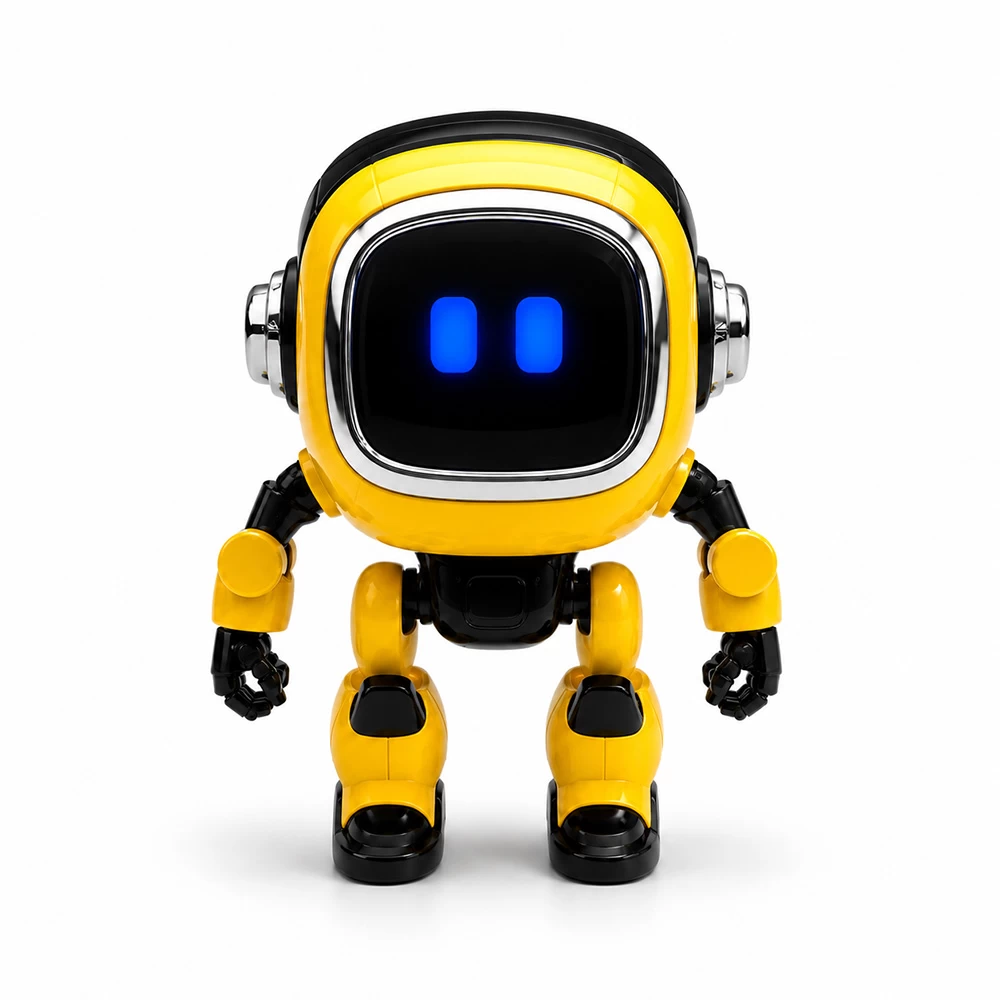
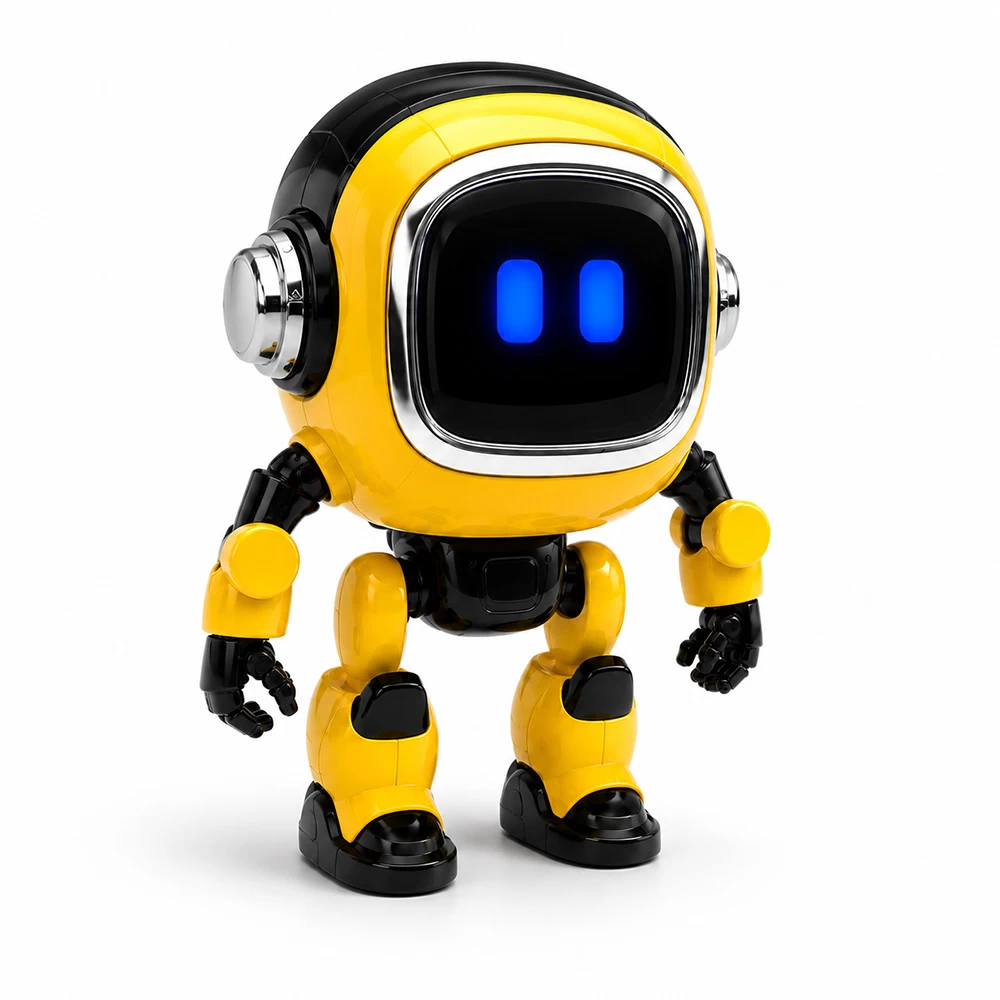
The integration of artificial intelligence (AI) into healthcare is transforming the landscape of patient care, ushering in a new era where intelligent robots play an increasingly vital role. Among these advancements, the emergence of **smart AI companion robots** stands out as a revolutionary development that combines cutting-edge technology with empathetic interaction to enhance treatment outcomes and improve patient experiences. This article explores how AI intelligent robots are reshaping healthcare, focusing on their multifaceted capabilities including communication, education, entertainment, and advanced natural interaction technologies.
## The Rise of Smart AI Companion Robots in Healthcare
Healthcare demands precision, empathy, and continuous learning—qualities that intelligent AI robots are uniquely positioned to deliver. Unlike traditional medical devices or software systems, **AI robots** equipped with **smart learning** capabilities can adapt to individual patient needs through real-time data analysis and personalized responses. These robots are not mere mechanical assistants but **intelligent AI robots** designed to provide holistic support, ranging from clinical assistance to emotional companionship.
Smart AI companion robots leverage **advanced AI interaction technology** to foster **natural communication** with patients. This means they can understand voice commands, interpret facial expressions, and respond with human-like empathy, significantly reducing patient anxiety and improving adherence to medical protocols. In particular, such robots have shown remarkable promise in pediatric wards, elderly care facilities, and rehabilitation centers where personalized attention is crucial.
## Enhancing Communication in Patient Care
Effective communication is the cornerstone of quality healthcare. Patients often face challenges expressing symptoms, understanding medical advice, or coping with emotional distress. **AI robots** bridge this gap by offering 24/7 availability and consistent engagement. Through sophisticated natural language processing and emotional recognition algorithms, smart AI companion robots can interpret patient queries, provide clear explanations, and even detect signs of depression or cognitive decline.
For instance, in geriatric care, where loneliness can exacerbate physical ailments, intelligent AI robots serve as companions that engage patients in meaningful conversations, reminding them to take medications and guiding them through therapeutic exercises. This continuous interaction not only promotes mental well-being but also allows healthcare providers to monitor patients remotely, enabling prompt intervention when needed.
## Educational Functions and Children’s Learning Support
Beyond communication, AI intelligent robots are becoming indispensable educational tools within healthcare settings, particularly for children. Hospitals can be intimidating environments for young patients, and maintaining their cognitive engagement during long treatments is challenging. Here, **smart learning assistants** embedded within AI robots offer significant benefits.
These robots come equipped with **educational functions** tailored to children’s developmental needs. By integrating **textbook synchronization** and **learning content integration**, they provide personalized tutoring sessions that align with school curricula, ensuring that children do not fall behind academically during hospital stays. The ability to adapt lessons based on the child’s progress exemplifies **smart learning** in action, fostering both academic growth and emotional comfort.
Moreover, these robots function as **creative smart toys**, blending **technology and art design** to captivate children’s imaginations. Interactive games, storytelling modules, and artistic activities encourage active participation, transforming the hospital experience from one of isolation to one of creativity and joy. This holistic approach supports cognitive resilience and provides psychological relief during challenging times.
## Entertainment and Emotional Support
Patient care extends beyond physical health; emotional and psychological well-being plays an equally critical role in recovery. AI intelligent robots contribute substantially by offering personalized **entertainment** options that cater to individual preferences. Whether it’s playing music, narrating stories, or engaging in light-hearted banter, these robots help mitigate feelings of boredom, anxiety, and depression commonly associated with prolonged hospital stays.
The integration of **advanced AI interaction technology** ensures that entertainment is not generic but responsive to the patient’s mood and interests. For example, a smart AI companion robot may detect signs of sadness and respond by initiating uplifting conversations or suggesting relaxing activities, thereby creating a supportive environment that fosters healing.
## Technology and Art Design: Creating Human-Centric Robots
The success of AI intelligent robots in healthcare hinges not only on their functional capabilities but also on their design philosophy. The fusion of **technology and art design** results in robots that are approachable, empathetic, and engaging rather than cold or mechanical. This human-centric design approach enhances acceptance among patients and healthcare staff alike.
Careful attention to aesthetics, tactile materials, and expressive interfaces allows these robots to emulate human characteristics without crossing into the uncanny valley—a delicate balance essential for natural interaction. Such design considerations amplify the effectiveness of **natural communication**, making patients more willing to interact and trust their robotic companions.
## Clinical Applications and Future Prospects
The deployment of AI intelligent robots spans a broad spectrum of healthcare applications:
- **Remote Patient Monitoring:** AI robots collect vital signs and behavioral data, alerting clinicians to potential issues before they become critical.
- **Rehabilitation Assistance:** Robots guide patients through physical therapy exercises, providing real-time feedback and motivation.
- **Medication Management:** Through reminders and verification processes, robots help ensure medication adherence.
- **Mental Health Support:** AI companions offer cognitive behavioral therapy exercises and mood tracking.
- **Surgical Assistance:** Intelligent robots assist surgeons with precision tasks, enhancing outcomes and reducing recovery times.
Looking ahead, ongoing advancements in AI algorithms, sensor technology, and machine learning will further enhance the capabilities of smart AI companion robots. Integration with electronic health records and personalized medicine platforms promises even more tailored and proactive care. Additionally, the incorporation of augmented reality and virtual reality could expand educational and therapeutic possibilities.
## Challenges and Ethical Considerations
Despite their potential, the adoption of AI intelligent robots in healthcare is not without challenges. Privacy concerns, data security, and ethical questions regarding patient autonomy must be rigorously addressed. Transparency in AI decision-making processes and maintaining human oversight are critical to building trust.
Furthermore, equitable access to such technologies remains a priority to prevent widening healthcare disparities. Collaboration among technologists, clinicians, ethicists, and policymakers will be essential to navigate these complexities responsibly.
## Conclusion
AI intelligent robots represent a transformative force in healthcare, revolutionizing patient care through enhanced communication, education, entertainment, and personalized support. As **smart AI companion robots** continue to evolve, their ability to deliver empathetic, intelligent, and adaptive care will redefine the patient experience, improve health outcomes, and alleviate burdens on healthcare systems worldwide.
By embracing the synergy of **advanced AI interaction technology**, **smart learning**, and thoughtful **technology and art design**, the healthcare industry is poised to unlock unprecedented opportunities for innovation and compassion. The future of patient care is undoubtedly intertwined with the rise of intelligent AI robots—partners in healing that combine the best of human empathy and artificial intelligence.