# AI Intelligent Robots in Education: Personalized Learning Assistants
In recent years, the integration of artificial intelligence (AI) into education has revolutionized how students learn and interact with educational content. Among the most promising innovations is the development of **AI intelligent robots**—sophisticated machines designed to act as personalized learning assistants. These AI-powered companions offer a multifaceted approach to education by combining **smart learning** capabilities, **natural communication**, and interactive entertainment to create an engaging, adaptive, and effective learning environment for children.
This article explores the evolving role of **smart AI companion robots** in education, highlighting their technological foundations, educational benefits, and future potential.
## The Emergence of AI Intelligent Robots in Education
The concept of using robots in education is not new; however, the advent of **advanced AI interaction technology** has transformed these machines from simple mechanical tools into dynamic, intelligent entities capable of meaningful communication and personalized support. These **intelligent AI robots** are designed to understand students’ individual learning needs, adapt instructional methods accordingly, and foster a collaborative learning atmosphere.
### What is a Smart AI Companion Robot?
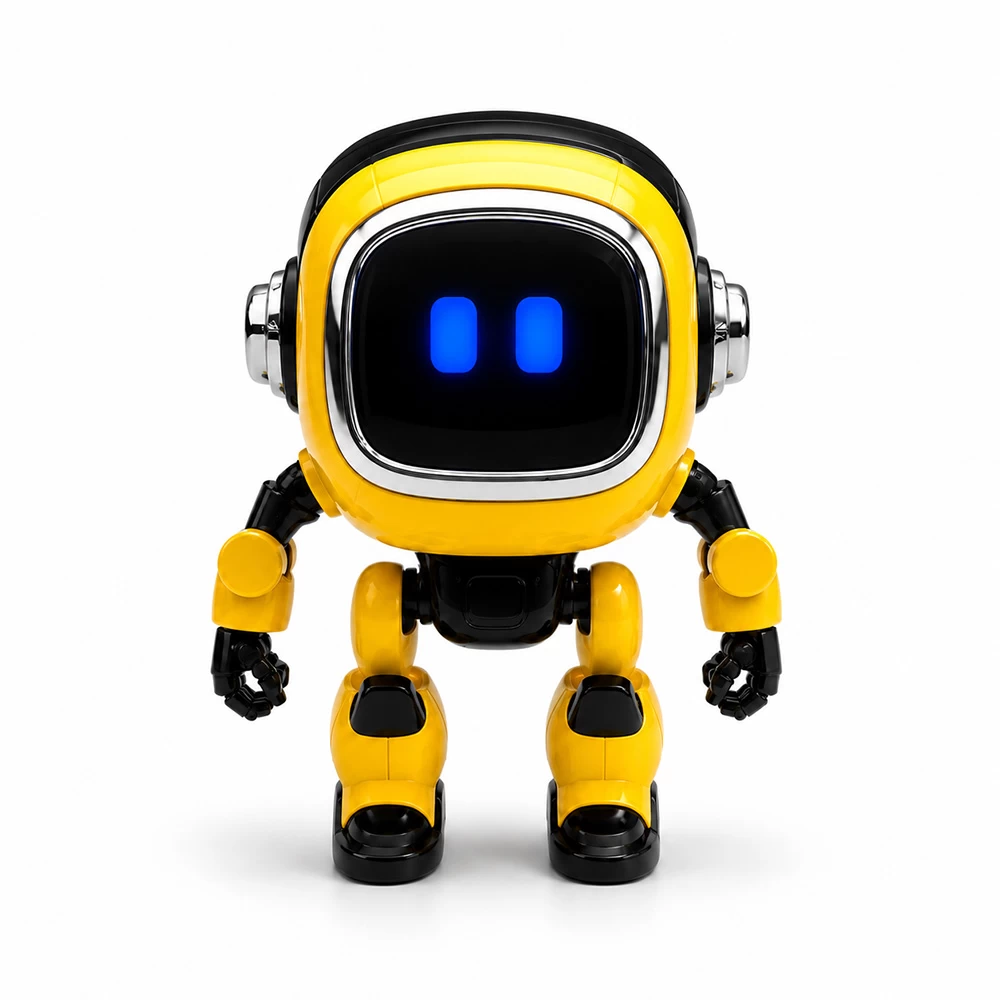
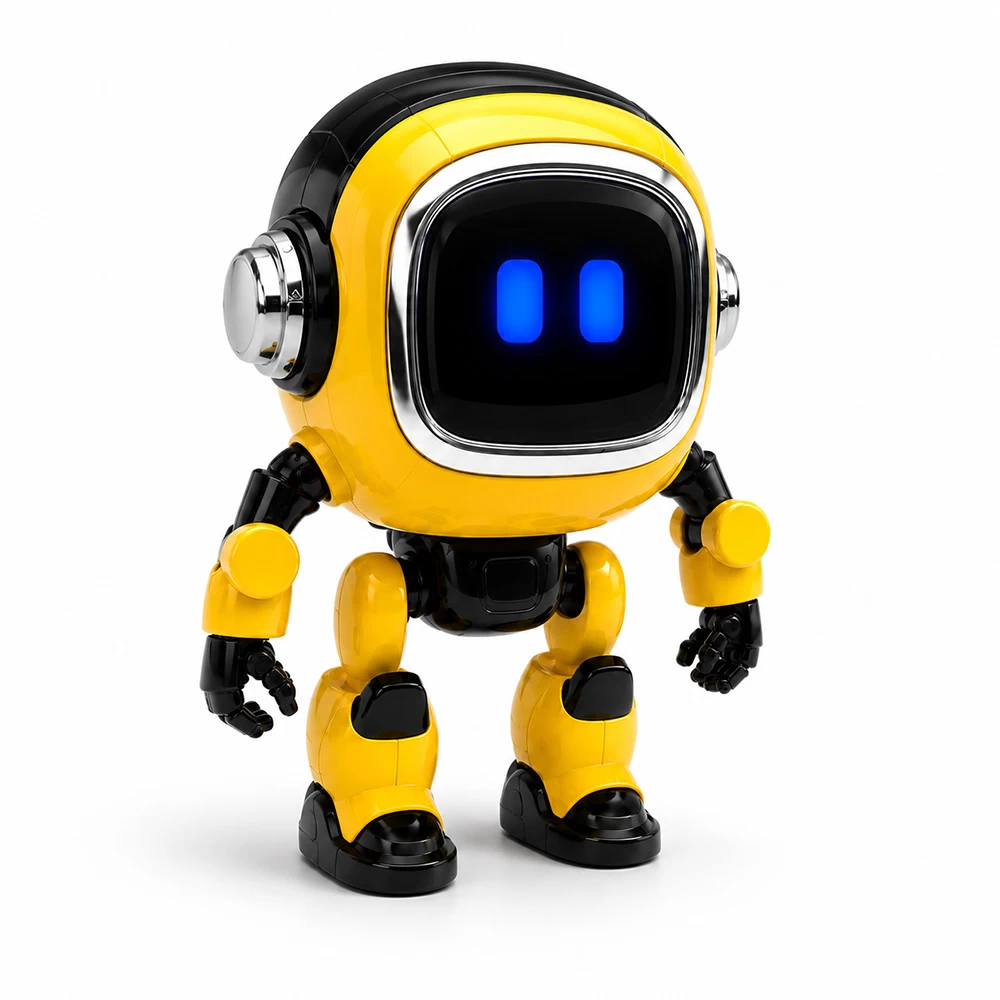
A **smart AI companion robot** is an autonomous or semi-autonomous robot equipped with AI algorithms enabling it to engage in **natural communication** with users, particularly children. Unlike traditional educational tools, these robots can process speech, recognize emotions, provide real-time feedback, and adjust their teaching strategies based on the learner’s progress. They act as **smart learning assistants** that not only deliver educational content but also motivate, entertain, and support learners throughout their educational journey.
## Core Features of AI Intelligent Robots in Education
### 1. Personalized Learning Assistance
One of the most significant advantages of AI robots is their ability to customize learning experiences. Utilizing machine learning models, these robots analyze a child’s strengths, weaknesses, and preferences, tailoring lessons to suit individual learning paces and styles. This level of personalization enhances comprehension and retention, making education more effective and enjoyable.
### 2. Textbook Synchronization and Learning Content Integration
Modern AI robots are integrated with **textbook synchronization** capabilities, meaning they can align their lessons with school curricula and textbooks. This ensures consistency between classroom instruction and at-home reinforcement. Additionally, these robots support **learning content integration** by incorporating multimedia resources such as videos, interactive quizzes, and augmented reality elements, thereby enriching traditional learning materials.
### 3. Natural Communication and Interactive Engagement
Effective education depends heavily on communication. Leveraging **advanced AI interaction technology**, these robots engage in fluid, natural conversations with students. Their ability to understand context, respond appropriately, and even detect emotional cues contributes to a more human-like interaction. This fosters an encouraging learning environment where children feel comfortable asking questions and expressing difficulties.
### 4. Educational Functions Coupled with Entertainment
Learning is most impactful when it is enjoyable. AI robots often double as **creative smart toys**, merging education with play. By incorporating gamified learning modules and interactive storytelling, these robots maintain student interest and motivation. This dual role helps in cultivating curiosity and creativity alongside academic skills.
### 5. Support for Children’s Learning Development
AI robots serve as continuous learning companions, offering consistent support outside the classroom. They can assist with homework, reinforce concepts taught in school, and provide explanations in simpler terms. For children with special educational needs, these robots offer customized assistance tailored to unique challenges, promoting inclusivity and accessibility in education.
## Technology and Art Design: Bridging Functionality and Appeal
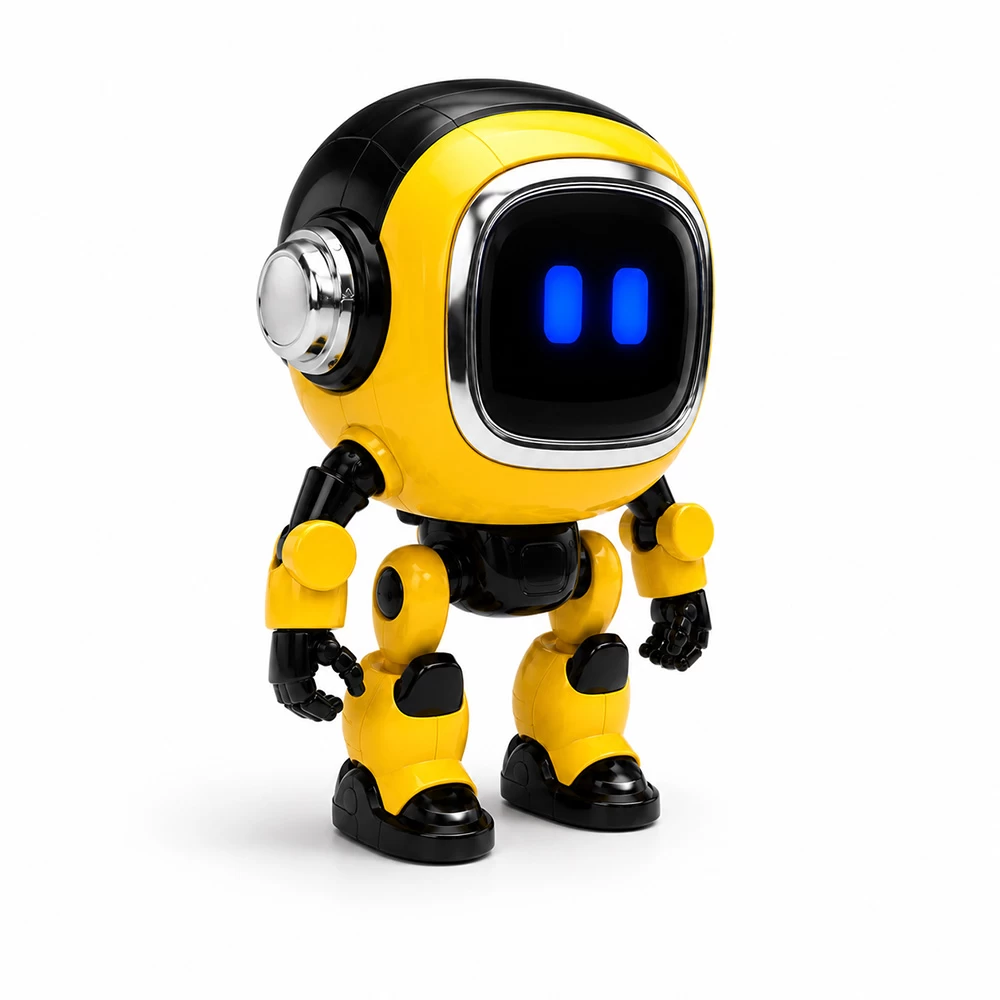
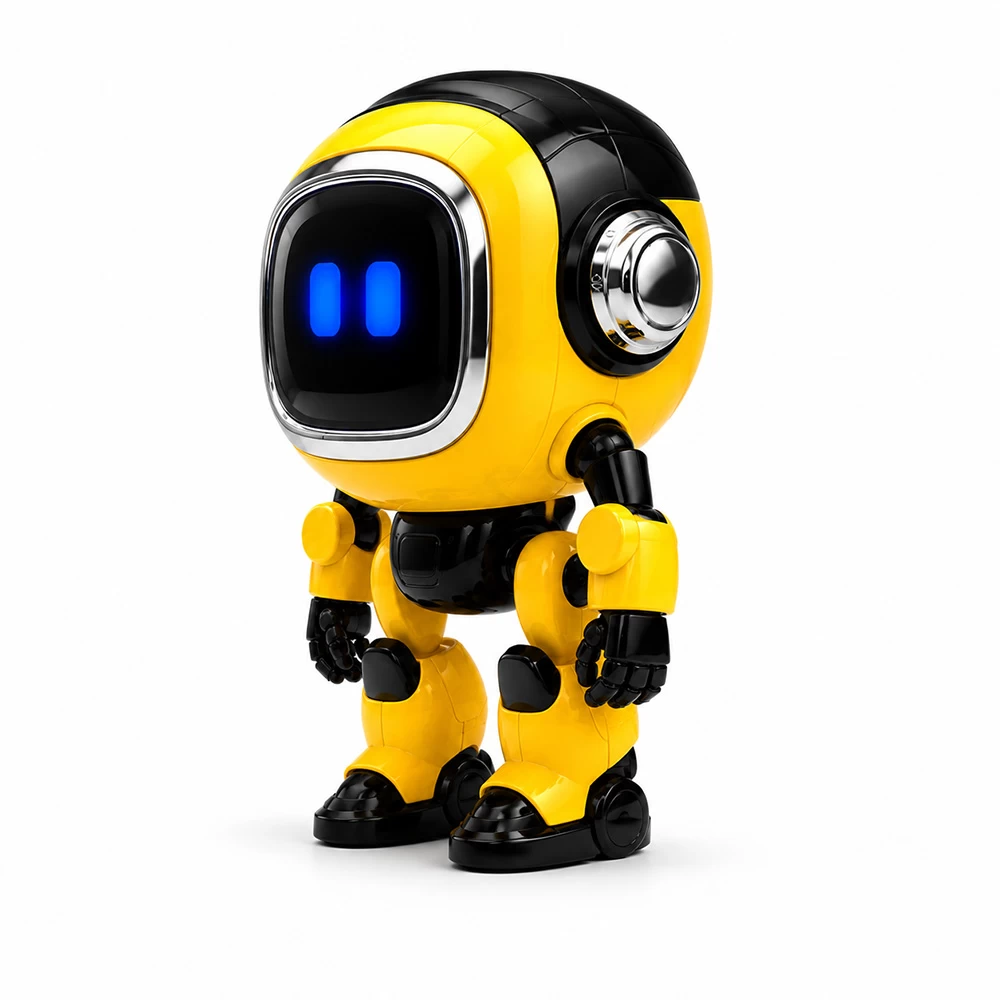
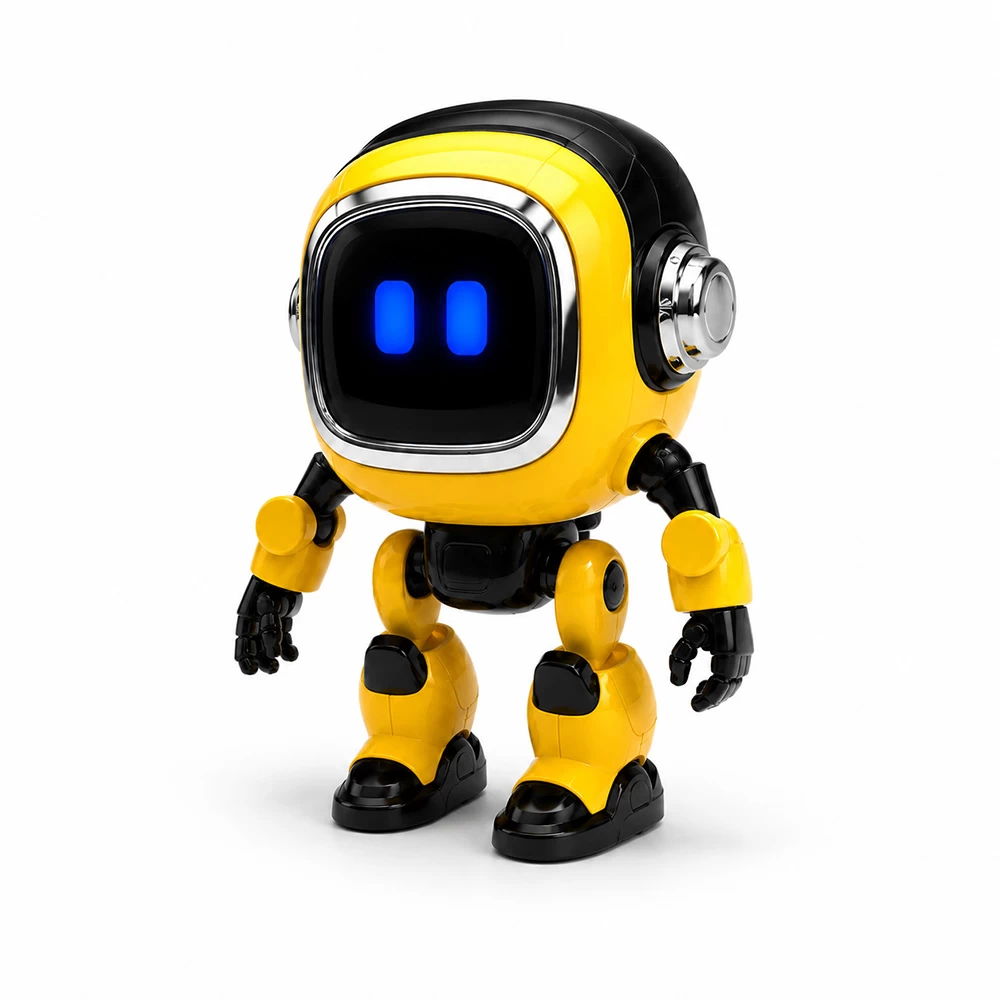
The success of AI intelligent robots hinges not only on their cognitive capabilities but also on their design. The intersection of **technology and art design** plays a crucial role in creating robots that are both functional and appealing to children. A well-designed robot features user-friendly interfaces, expressive facial features, and ergonomic forms that invite interaction. This combination enhances the emotional connection between the robot and the learner, strengthening engagement and trust.
Designers collaborate closely with educators and psychologists to ensure the robot’s appearance and behavior align with developmental needs and cultural sensitivities. The result is a **creative smart toy** that feels less like a machine and more like a nurturing learning partner.
## Benefits of AI Intelligent Robots in Education
### Enhanced Learning Outcomes
By offering personalized instruction and immediate feedback, AI robots help improve academic performance. Studies have shown that students using AI learning assistants demonstrate better comprehension and higher retention rates compared to those relying solely on traditional methods.
### Increased Motivation and Engagement
The interactive, game-based learning approach facilitated by AI robots makes education more appealing. Students are more inclined to participate actively when lessons are delivered through entertaining and relatable formats.
### Development of Social and Emotional Skills
Through **natural communication** and empathetic responses, intelligent AI robots help children develop interpersonal skills. They encourage dialogue, listening, and emotional expression, contributing positively to social development.
### Accessibility and Inclusivity
AI robots can be programmed to cater to diverse learning needs, including language barriers and learning disabilities, ensuring equitable access to quality education for all children.
### Parental and Teacher Support
These robots also function as valuable tools for parents and teachers by providing insights into a child’s progress and areas needing improvement. This data-driven approach facilitates targeted interventions and collaborative support strategies.
## Challenges and Considerations
Despite their many advantages, the deployment of AI intelligent robots in education comes with challenges:
- **Privacy and Data Security:** Handling sensitive student data requires stringent safeguards to protect privacy.
- **Cost and Accessibility:** High initial costs may limit widespread adoption, especially in underfunded educational settings.
- **Human Interaction Balance:** While AI robots enhance learning, they cannot replace the nuanced guidance and emotional support provided by human educators.
- **Technological Limitations:** AI systems may sometimes misinterpret inputs or fail to adapt perfectly to complex human behaviors.
Addressing these challenges requires ongoing research, ethical considerations, and collaboration among technologists, educators, and policymakers.
## The Future of AI Intelligent Robots in Education
Looking ahead, the role of AI intelligent robots as **smart learning assistants** is poised to expand dramatically. Advances in natural language processing, emotional AI, and adaptive learning algorithms will further refine their capabilities, enabling more sophisticated and empathetic interactions.
Integration with other emerging technologies such as virtual reality (VR) and augmented reality (AR) is expected to create immersive learning environments where AI robots guide students through experiential learning scenarios. Moreover, as AI becomes more affordable and accessible, these personalized companions may become standard fixtures in classrooms and homes worldwide.
## Conclusion
The advent of **AI intelligent robots** in education represents a transformative shift towards more personalized, engaging, and inclusive learning experiences. By leveraging **advanced AI interaction technology**, these smart companions bridge the gap between technology and human-centric learning, supporting children’s educational journeys with tailored assistance, interactive communication, and creative entertainment.
As we continue to innovate and address challenges, **smart AI companion robots** hold the promise to empower learners, enrich educational ecosystems, and ultimately shape a future where every child has the opportunity to thrive academically and socially through the synergy of technology and thoughtful design.
---
**Keywords:** SMART AI COMPANION ROBOT, AI ROBOT, SMART LEARNING, Intelligent AI robot, Communication, Education, Entertainment, Natural Communication, Advanced AI interaction technology, Smart Learning Assistant, Children's learning support, Educational functions, Textbook Synchronization, Learning content integration, Creative Smart Toy, Technology and art design